
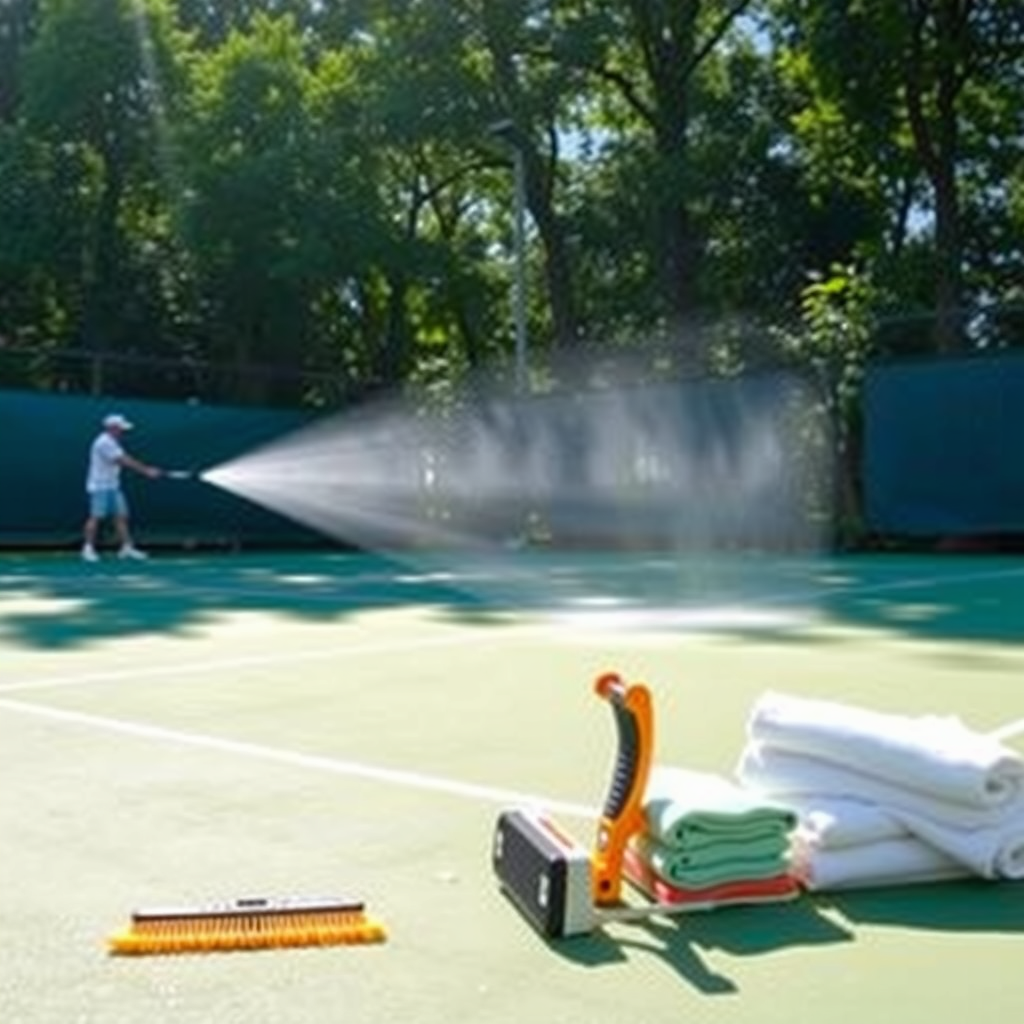
Tennis is one of those sports that beautifully combines agility, precision, and enjoyment. Whether you’re playing on a grass court, hard court, or an artificial grass tennis court, keeping up with maintenance is key to ensuring optimal playing conditions. In this guide, we’re going to delve into the ins and outs of tennis court cleaning, providing you with the best tips and techniques to keep your court in top shape.
The Importance of Regular Cleaning
Regular tennis court cleaning is essential for several reasons. Not only does it enhance the aesthetic appeal, making your court look inviting, but it also prolongs the life of the surface. Dirt, leaves, and other debris can lead to damage if left unattended, contributing to the need for tennis court repairs. Moreover, cleanliness directly impacts safety. A clean court ensures that players can move freely without the risk of tripping or slipping, which is crucial for maintaining player performance and preventing injuries.
Daily Upkeep and Maintenance
For those who have a grass court or a natural surface, daily maintenance is paramount. This involves removing leaves and debris, which can accumulate quickly, especially during autumn.
Using a soft broom or a leaf blower for daily cleaning can prevent dirt and grime from embedding into the court surface. For artificial grass tennis courts, brushing the surface regularly helps maintain the fibres, keeping them upright and ensuring a smooth playing experience. Remember to be gentle; aggressive scrubbing can cause more harm than good!
For optimal performance and safety, regular tennis court cleaning is essential. Maintaining a clean surface enhances play while prolonging the court’s lifespan. Discover professional tennis court cleaning services at https://www.artificialgrassmaintenance.co.uk to keep your court in top condition.
Seasonal Deep Cleaning
While daily upkeep has its place, seasonal deep cleaning is where magic happens. Depending on your court type, you may want to employ different cleaning techniques. For a tennis court with artificial grass, a deep clean should ideally take place twice a year.
Begin by thoroughly brushing the entire surface to dislodge dirt and debris. After this, use a specialised cleaning solution designed for artificial grass. These solutions are formulated to tackle stubborn stains and remove algae or moss build-up, which can occur in damp seasons.
If you’re maintaining a grass or clay court, be mindful of the specific needs. Watering early in the morning helps keep the grass moist without creating a muddy playing surface. After watering, it’s ideal to lightly brush the court to keep the surface smooth.
The Role of Tennis Court Resurfacing
Over time, wear and tear will affect a tennis court’s performance. Recognising when it’s time for tennis court resurfacing is essential for maintaining playability. Signs include cracks in hardcourt surfaces or faded lines. If your artificial grass tennis court is losing its colour or developing bald patches, it may be time to consider resurfacing.
While cleaning can enhance the surface, resurfacing renews it entirely. It is an investment in longevity and quality, ensuring that players experience the best possible playing conditions year after year. Hiring professionals is often the best route for this process, as they can evaluate the surface and provide the right solution.
Maintaining clean tennis courts is essential for optimal performance and safety. Regular tennis court cleaning ensures a smooth playing surface, reducing the risk of injuries while enhancing gameplay. Explore professional cleaning solutions at www.artificialgrassmaintenance.co.uk to keep your courts in top condition, ensuring a pristine environment for players of all levels. Consistent upkeep leads to lasting enjoyment.
FAQ – Tennis Court Cleaning
What is tennis court cleaning?
Tennis court cleaning refers to the process of removing dirt, debris, stains, and contaminants from the surface of a tennis court. This helps maintain optimal playing conditions and prolongs the life of the surface.
Why is regular cleaning important for tennis courts?
Regular cleaning prevents the buildup of harmful substances such as moss, algae, and mold that can affect playability and safety. It also enhances aesthetics and prolongs the lifespan of the court surfaces.
How often should I clean my tennis court?
It is recommended to clean your tennis court thoroughly at least twice a year. However, if you live in an area with heavy rainfall or frequent leaf fall, more frequent cleanings may be necessary.
Can I clean my tennis court myself?
Yes, you can perform basic maintenance like sweeping leaves or using a hose to rinse off loose debris. However, for deep cleaning involving specialised equipment or products (like pressure washing), it’s best to hire professionals who are experienced in tennis court maintenance.
What methods are used for professional tennis court cleaning?
Professional cleaners often use techniques such as pressure washing, soft washing with specialised detergents suitable for sports surfaces, brushing with rotary brushes designed specifically for courts, and applying protective coatings after deep cleans.
Are there any specific products recommended for cleaning tennis courts?
It’s essential to use pH-neutral cleaners that won’t damage the surface material (e.g., acrylic or clay). Always consult your sport’s facility guidelines or hire a professional service familiar with chemical regulations specific to sports facilities.
Is it safe to play on a freshly cleaned tennis court?
Generally speaking, yes! However, after certain methods like power washing that leave excess water on outdoor surfaces—wait until they’re dry before resuming play. Consult your cleaner about safe waiting periods post-cleaning.
How can I prevent dirt accumulation on my tennis court?
To prevent dirt buildup:
- Regularly sweep off leaves and debris.
- Limit foot traffic when muddy.
- Consider installing proper drainage systems.
- Use windbreaks where applicable around outdoor fences.
What’s included in typical professional cleaning services?
A standard service usually includes:
- Debris removal
- Washing/pressure washing
- Stain removal
- Surface brushing/scrubbing
- Application of fillers (if needed)
Always confirm specifics when hiring someone; services may vary by provider!
By maintaining your courts regularly through effective cleaning practices targeted specifically towards their materials you’re ensuring both performance quality & safety!
Tackling Stains and Spot Cleaning
Stains can be the bane of any tennis court owner’s life. Whether it’s the marks left by players’ shoes or accidental spills, spot cleaning is crucial. For hard courts, a mix of mild detergent and water can work wonders. Gently scrub the stained area with a soft brush and rinse thoroughly.
When dealing with organic stains on grass or clay courts, apply a mixture of baking soda and vinegar. Allow it to sit momentarily before rinsing off. This simple homemade remedy is effective and safe for the surface.
For artificial grass, be cautious about the cleaning agents you use. Opt for products specifically designed for the surface. Avoid harsh chemicals that can damage the fibres.
The Benefits of Professional Tennis Court Cleaning Services
While many courts can be maintained with DIY techniques, considering professional help for tennis court cleaning can be a game-changer, particularly for larger facilities. Professionals can perform thorough assessments and conduct deep cleaning processes using specialised equipment. These services often include pressure washing, which can effectively cleanse surfaces without damaging them.
Additionally, they can identify potential issues that might require tennis court repairs before they escalate into bigger problems. This proactive approach can save time and money in the long run and provide greater peace of mind.
Protecting Your Court from Environmental Factors
Environmental factors can pose significant challenges to maintaining a clean court. Overhanging trees often drop leaves and debris, while the weather can introduce moisture, contributing to algae growth and slippery surfaces. Invest in a high-quality cover for your court during seasonal changes. This will protect it from dirt and excess moisture when not in use.
Installing guttering around nearby trees can also help divert rainwater and prevent debris accumulation. Regular inspections of your court’s surroundings can help pinpoint problem areas, allowing you to address them proactively.
By implementing these tips and techniques, you can maintain a clean and safe playing environment on your tennis court. Enjoy the game, and remember, a well-cared-for court is a happy court!