
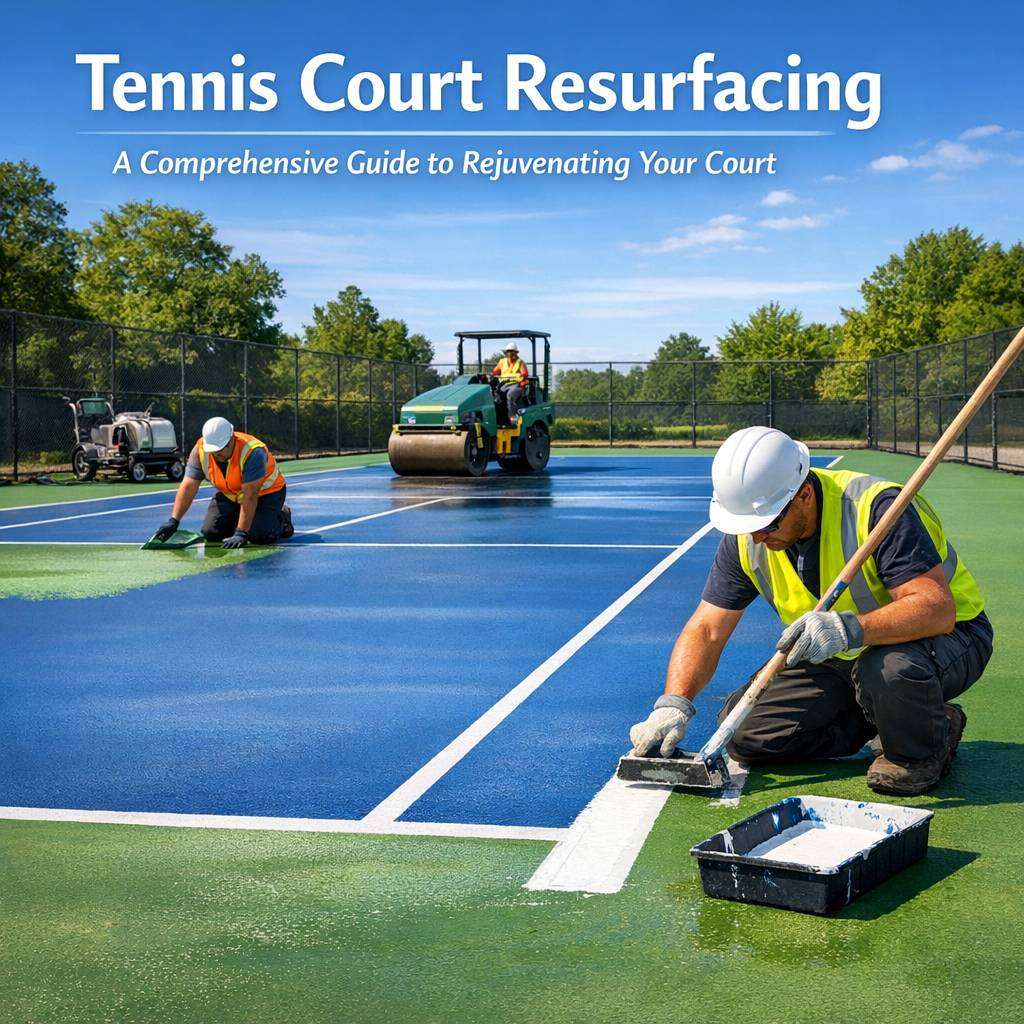
Tennis courts are a long-term investment in your property and wellbeing. Proper resurfacing and maintenance extend playability, enhance safety, and preserve value. This guide provides a professional overview of tennis court resurfacing, with practical steps for choosing materials, planning maintenance, and executing refurbishment for an artificial grass tennis court or other surfaces.
Understanding the Basics: Why Resurface?
Resurfacing is more than a cosmetic refresh. Worn surfaces can lead to uneven ball bounce, increased injury risk, and accelerated deterioration of sub-layers. Regular assessment helps identify issues such as edge wear, drainage problems, and surface cracking. By addressing these promptly, you maintain court performance and reduce long-term maintenance costs.
Choosing the Right Surface: Options for an Artificial Grass Tennis Court
When considering tennis court installation or resurfacing, material selection is crucial. Artificial grass options provide a consistent playing surface with good ball bounce and lower maintenance in some climates. Key choices include:
- Artificial grass tennis court: A synthetic turf system designed for ball trajectories and player comfort.
- Tennis court artificial grass varieties: Varying pile heights, backing systems, and drainage capabilities to suit traffic levels and climate.
- Hybrid or third-generation surfaces: Combining synthetic fibres with specialised infill to optimise playability.
Your choice should align with local climate, usage patterns, and maintenance capacity. Engage with a supplier who can demonstrate performance data and life-cycle costs for tennis court maintenance over time.
Tennis court resurfacing transforms uneven surfaces into fast, reliable play. Fresh coatings improve traction, reduce maintenance, and extend court life, making games safer and more enjoyable. Professional resurfacing boosts value for clubs and schools, delivering durable, high-performance finishes. https://www.artificialgrassmaintenance.co.uk Expert services ensure precise restoration and lasting results.
Preparation and Planning: Assessing the Court
Before resurfacing, a thorough assessment is essential. Steps include:
- Professional inspection: Check for drainage issues, frost heave, edge degradation, and delamination of existing layers.
- Cleaning and debris removal: Clear leaves, moss, and algal growth that can hinder adhesion.
- Sub-base evaluation: Ensure the ground is stable, compacted, and level. Address any settlements or ponding.
- Surface testing: Use a straight edge and a level to identify high spots and deviations. For artificial grass, inspect yarn integrity and infill distribution.
Proper planning reduces downtime and ensures the new surface performs as intended. Document existing conditions to inform maintenance schedules and any warranty requirements.
The Resurfacing Process: From Preparation to Finish
A well-managed resurfacing project follows a structured sequence:
- Surface removal or renovation: Depending on the system, old material is stripped or surface layers are stabilised. Edge protection is maintained to preserve surrounding areas.
- Sub-base treatment: Repair ruts, cracks, and drainage channels. Apply edge sealing and compaction where necessary.
- Primer or bonding layer: Some systems require a bonding layer to optimise adhesion between sub-base and new surface.
- Surface application: Install the chosen tennis court surface, whether it is artificial grass tennis, a synthetic polymeric layer, or another compatible finish. For artificial grass, lay the turf with correct nap direction and seam alignment.
- Infill and compaction (for artificial grass): Evenly distribute sand or rubber infill to achieve the desired firmness and ball response.
- Finishing and line marking: Repaint court lines to standard dimensions and ensure visibility and durability.
- Cleaning and curing: Post-application cleaning removes residues. Allow adequate curing time before reopening for play.
Throughout the process, ensure permeable drainage remains functional to prevent standing water and freeze-thaw damage. Your contractor should provide a detailed method statement and a timeline with milestones.
FAQ: Tennis Court Resurfacing
What is tennis court resurfacing?
Tennis court resurfacing is the process of repairing and renewing the surface of a tennis court to restore playability, safety, and aesthetics. It typically involves cleaning, repairing cracks, replacing or applying new surface material, and repainting lines and markings.
When should a tennis court be resurfaced?
Common indicators include cracks or uneven playing surface, excessive wear, faded or peeling coatings, lost traction, persistent water pooling, or outdated court materials. Routine maintenance schedules vary by material but often range from every 5 to 12 years.
What are the most common surface options for resurfacing?
- Acrylic (hard court): Durable and fast with good ball bounce; popular for multi-use facilities.
- cushioned acrylic: Adds a padding layer for better shock absorption and player comfort.
- latex/asphalt or concrete bases: Used in some installations with specific topping coats.
- clay or artificial grass overlays: For specialty courts or different play characteristics.
How long does the resurfacing process take?
A typical resurfacing project can take 2 to 5 days for a standard outdoor court, including cleaning, crack repair, base coat, colour coats, line painting, and curing. Indoor courts or complex projects may take longer.
What factors affect the cost?
- Court size and location (indoor vs outdoor)
- Surface type and current condition
- Crack repair and sub-base work required
- Color options and line reapplication
- Preparation needs (drainage, leveling, pressure washing)
- Local labour rates and permit requirements
Will resurfacing improve playing characteristics?
Yes. Resurfacing can restore proper ball bounce, traction, and uniform playability. A cushioned or multi-layer system can also reduce joint stress and improve comfort.
How long does a resurfaced court last?
Lifespan varies by material and maintenance, typically:
- Acrylic hard courts: 5–12 years
- Cushioned acrylics: 7–12 years
- Clay or artificial turf overlays: 5–10+ years depending on usageRegular cleaning and proper maintenance extend longevity.
Do I need to move equipment or close the court during resurfacing?
Yes. Courts are typically closed during the work. Access for personal belongings and nearby courts may be limited depending on the project scope and curing times.
Can I resurface a damaged court instead of replacing it?
Often yes, especially for minor to moderate damage such as hairline cracks or surface wear. Severe structural issues, drainage problems, or a seriously cracked sub-base may necessitate full replacement.
How should I prepare for a resurfacing project?
- Remove all equipment, nets, and loose items
- Clear the surrounding area and ensure proper drainage
- Schedule the work during a dry period
- Discuss colour choices, line widths, and maintenance plan with the contractor
- Confirm curing times and access restrictions
What maintenance should follow resurfacing?
- Regular cleaning with non-abrasive cleaners
- Prompt crack and surface issue checks
- Repainting lines as needed
- Avoid dragging heavy equipment or sharp objects on the surface
- Use court covers or shade structures to protect from UV and weather when not in use
How do I choose a contractor for tennis court resurfacing?
- Check licenses and insurance
- Review portfolio and references
- Confirm material warranties and curing times
- Compare detailed written estimates
- Inquire about sub-base preparation and drainage solution
- Ask about maintenance guidance post-project
Are there environmental considerations or certifications?
Yes. Reputable contractors may use low-VOC coatings and proper drainage management. Some regions have green building certifications or court-specific standards; ask about environmental practices and certifications.
What should I know about warranties?
Warranties typically cover manufacturing defects in coatings and workmanship for a period ranging from 2 to 7 years. Review what is included, exclusions, and required maintenance to keep coverage valid.
How long does it take for the surface to cure before use?
Curing times vary by product but generally range from 24 to 72 hours before light foot traffic, and up to 7 days for full hardening before intensive play. Outdoor conditions like temperature and humidity affect curing.
Can resurfacing be done on indoor courts?
Yes. Indoor courts may require less weather-related downtime but require attention to humidity control and dust containment. The project timeline may differ due to indoor space constraints.
If you’d like, I can tailor these FAQs to your specific audience (facility managers, homeowners, schools) or your preferred tone.
Maintenance After Resurfacing: Long-Term Tennis Court Maintenance
Maintenance is the ongoing ally of a rejuvenated court. A proactive plan extends life and preserves performance:
- Regular cleaning: Remove debris, mould, and algae with appropriate cleaning agents. For artificial grass tennis court surfaces, use gentle brushes and non-abrasive cleaners to avoid fibre damage.
- Brushing and grooming: Maintain tuft alignment and bounce characteristics by brushing artificial grass in multiple directions, particularly after heavy use or adverse weather.
- Infill management: Check and top up infill levels to the recommended specification to maintain stability and ball response.
- Surface inspections: Schedule seasonal inspections to identify wear patterns, seam integrity, and drainage efficiency.
- Edge and perimeter care: Inspect edges for subsidence and seal where required to prevent water ingress.
- Weather-related considerations: In damp climates, treat growth early and adjust cleaning frequency. In hot climates, monitor surface temperatures to prevent damage to polymeric components.
A disciplined tennis court maintenance regime reduces the likelihood of costly renovations and preserves the playing experience for players of all levels.
Tennis court resurfacing can dramatically enhance playability, safety, and aesthetics for clubs and schools. Regular maintenance prevents costly damage and extends court life. For expert options and service details, see the following link in the second half: https://www.sspmaintenance.co.uk/artificial-clay-tennis-courts.
Common Issues and Troubleshooting
Even with careful resurfacing, problems can arise. Typical challenges include:
- Poor drainage: Reassess sub-base and drainage channels; consider additional perforated pipes or trench drains.
- Inconsistent bounce: Inspect for flat spots, improper infill height, or edge edge wear. Re-brush and adjust infill as needed.
- Surface cracking: Small cracks can be repaired with compatible filler; broader cracking may require panel replacement or re-surfacing.
- Algae and moss: Regular cleaning and mildew control improve traction and aesthetics.
For artificial grass tennis courts, fibre detachment or excessive matting of the infill can compromise play. Engage a specialist if inspection reveals structural concerns.
Choosing a Partner: Tennis Court Installation and Resurfacing Experts
Selecting the right contractor is critical. Look for:
- Proven experience with artificial grass tennis courts and other surfaces.
- Transparent pricing, with a clear scope of works and warranty terms.
- Demonstrated capacity for minimal downtime and compliant health and safety practices.
- Access to high-quality materials and compliant infill options.
- Comprehensive aftercare and maintenance guidance tailored to your court type.
Preparing a detailed brief that outlines your expectations for play characteristics, drainage performance, and longevity can help you obtain accurate bids.
If you are considering tennis court resurfacing or planning a fresh tennis court installation, the investment in planning, material choice, and maintenance discipline will pay dividends in playability, safety, and longevity. By aligning surface selection with climate, usage, and maintenance capacity, you can rejuvenate your court to deliver superior performance for years to come.