
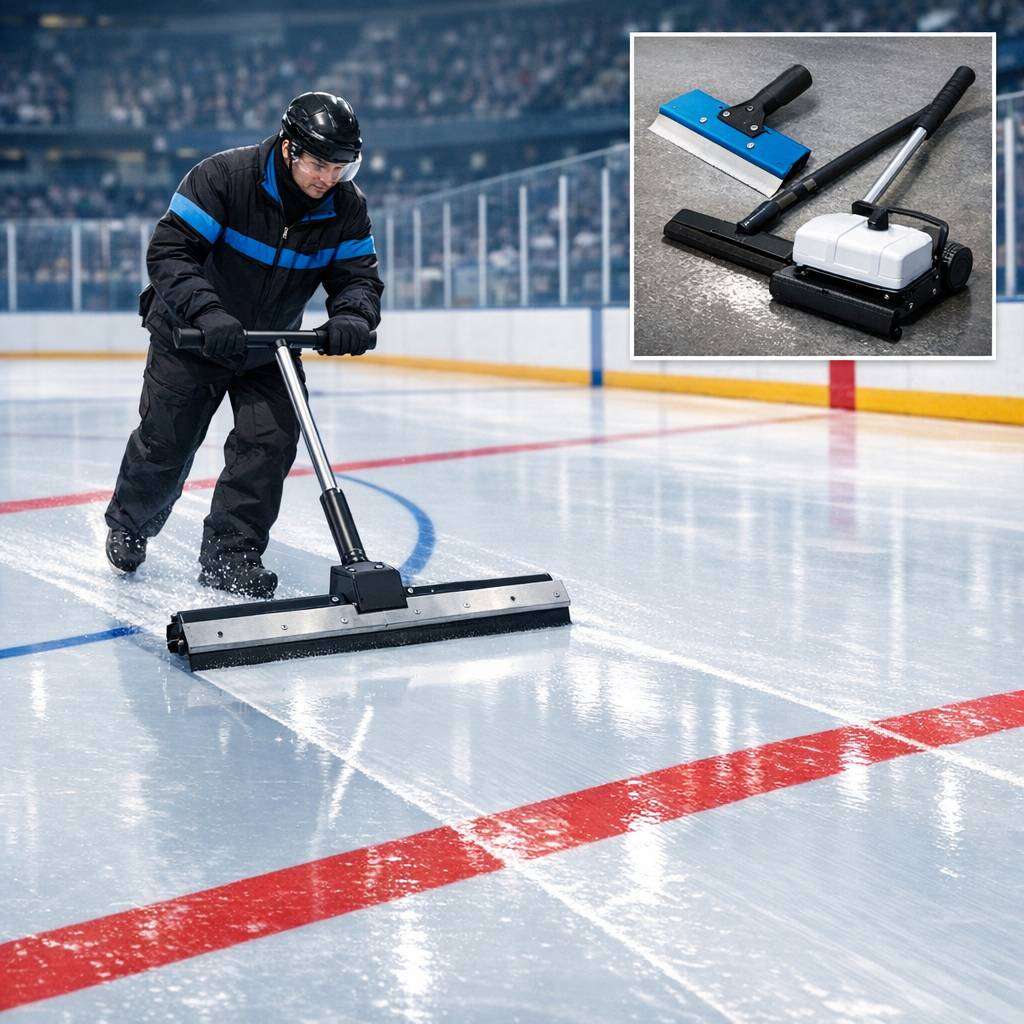
Maintaining a pristine hockey pitch is essential for safe play, consistent ball roll, and the longevity of the surface. Whether you manage a school facility, a local club, or a professional stadium, reliable hockey pitch maintenance hinges on a structured routine that combines regular cleaning, targeted rejuvenation, and prudent repairs. The following guide provides an expert overview of best practices for artificial grass for hockey and related surfaces, with practical steps you can implement throughout the season.
Understanding the surface and its needs
Most modern hockey pitches use artificial grass for hockey, commonly referred to as hockey pitch astroturf. These surfaces are designed to mimic natural grass while offering durability and predictable ball dynamics. However, their performance is contingent on cleanliness and proper maintenance. Debris, dust, and organic matter can compromise traction, ball speed, and drainage. A well-kept pitch also benefits from a scheduled rejuvenation program, which can extend the life of the fibres and maintain consistent playing characteristics.
A well-maintained hockey pitch is essential for fast play, safety, and consistency across games. Regular cleaning, debris removal, and surface checks prevent wear and help maintain grip for players. Teams should establish a cleaning schedule that matches usage patterns and weather conditions. Approaches include brushing, grooming, and occasional deep cleans. For detailed guidance and professional services, consult industry experts. hockey pitch cleaning
FAQ: Hockey Pitch Cleaning
What is hockey pitch cleaning?
Hockey pitch cleaning refers to the process of removing dirt, debris, moss, algae, and organic buildup from artificial turf or natural grass hockey pitches to maintain optimal playing conditions and extend the life of the surface.
Why is hockey pitch cleaning important?
Regular cleaning helps prevent slip hazards, improves ball roll and traction, reduces wear and tear on the surface, and preserves aesthetic appeal. It also helps maintain consistent playing characteristics across the pitch.
How often should a hockey pitch be cleaned?
- Artificial turf: Regular routine maintenance should occur weekly during the season, with deeper cleanings monthly or quarterly depending on usage and weather.
- Natural grass: Cleanliness involves debris removal after matches and seasonal lawn care like mowing, aeration, and reseeding as needed.
What tools are used for cleaning artificial hockey pitches?
Common tools include:
- Leaf blowers or manual brooms for loose debris
- Specialised turf brushes or play surface sweepers
- Cleaning solutions approved for artificial turf (if required)
- Power washers or pressure washers with caution to avoid surface damage
- Vacuum units designed for turf
Can I use a pressure washer on artificial hockey turf?
Yes, but with caution. Use a low-pressure setting, avoid high-heat water, and keep the nozzle at a safe distance to prevent turf fibers from pulling out or backing onto seams. Always follow the surface manufacturer’s cleaning guidelines.
How do I remove mold or algae from a hockey pitch?
- For artificial turf: apply an approved anti-microbial or algae-control cleaner, scrub with a soft brush, and rinse thoroughly. Ensure the product is compatible with your turf backing and infill.
- For natural grass: improve drainage, reduce shade, and apply appropriate fungicides as recommended by a turf manager or agronomist.
Are there eco-friendly cleaning options for hockey pitches?
Yes. Use biodegradable, non-toxic cleaners, reduce water use with efficient equipment, and implement routine debris removal and grooming to minimise chemical needs. Choose products labeled for turf safety and the environment.
How do I maintain the pitch between cleanings?
- Regularly remove leaves and debris
- Groom artificial turf to keep fibers upright
- Check and top up infill if needed
- Ensure drainage systems are clear to prevent puddling
- Address spills promptly with appropriate cleaners
What maintenance should be done after cleaning?
Inspect for wear or damage, check seams and joints on artificial surfaces, restock infill to recommended levels, and schedule a professional inspection if you notice matting, thinning fibers, or persistent staining.
Should I hire professionals for hockey pitch cleaning?
For routine maintenance and deep cleanings, hiring professionals with experience in turf care and the correct equipment can ensure thorough cleaning without damaging the surface. They can also provide tailored maintenance schedules.
How long does it take to clean a hockey pitch?
Duration varies by surface type, pitch size, and cleaning intensity. A routine weekly clean for a standard artificial pitch might take 1–3 hours, while a full deep clean or seasonal cleaning could take longer. Plan around operations to minimise downtime.
Where can I find guidance on cleaning products and procedures?
Consult the turf manufacturer’s maintenance manual, local league guidelines, and accredited turf care associations. If in doubt, contact a professional turf maintenance contractor for recommendations specific to your surface.
Keeping hockey pitch cleanliness is essential for player safety and optimal performance. Regular maintenance reduces residue, improves traction, and extends turf life. Teams should implement routine sweeping, debris removal, and moisture management. Proper cleaning protocols prevent mold and uneven wear. For detailed guidance on artificial surfaces, see the following resource: https://www.polytan.com/blog/hockey-germany/artificial-turf-for-hockey-what-do-you-need-to-know/
Daily and weekly cleaning routines
A disciplined cleaning regime is the cornerstone of hockey pitch cleaning. Implement the following routines to reduce wear and improve play quality:
- Daily debris removal: Use a leaf blower or a low-aspirate sweeper to clear leaves, grass clippings, and litter from the surface. Avoid high-pressure methods that could lift fibres.
- Brushing and grooming: Employ a specialised hockey brush or grooming machine to lift and align fibres, restoring grip and ball roll. Brush against and along the grain of the fibres in alternating directions to prevent matting.
- Litter and dust control: For fine dust, a periodic rolling drum or vacuum system designed for artificial turf can help. Avoid using water extensively unless you have a drainage plan in place, as excessive moisture can promote fungal growth.
- Boundary management: Clean the perimeter areas and drainage channels to prevent material from spreading onto the pitch. Ensure goal mouths and corner areas are free of debris that could trip players.
For facilities using artificial grass for field hockey that feature varied fibre heights or dual-layer constructions, tailor the routine to the specific system. Consult the manufacturer’s guidelines for recommended accessories and procedures.
Seasonal cleaning and preparation
Seasonal maintenance addresses accumulated contaminants and prepares the pitch for peak performance periods:
- Post-season deep clean: After a competitive season, perform a thorough clean to remove embedded debris, such as seed heads and pollen. This reduces allergen exposure and keeps drainage functioning.
- Pre-season audit: Before the season begins, inspect problem zones, check pile lift, and assess uniformity of colour and density. Address any areas where water pools or where the surface shows uneven wear.
During seasonal transitions, ensure that cleaning products or treatments used are compatible with the artificial grass for hockey system. Always follow the manufacturer’s guidelines and regional regulations governing chemical treatments.
Hockey pitch cleaning is essential for safe, fast play and optimal ice quality. Regular maintenance reduces debris, improves traction, and extends equipment life. For visuals of team efforts and community updates, check this link: https://m.facebook.com/ndrseniorhockeyclub/photos/the-north-dundas-rockets-senior-hockey-club-is-thrilled-to-announce-that-amandas/998212782324480/. Regular cleaning makes a measurable difference.
Hockey pitch rejuvenation: restoring performance
Hockey pitch rejuvenation focuses on restoring the surface’s playing characteristics and extending its life. Key rejuvenation techniques include:
- Fibre restoration: If fibres become flattened or matted, a trained operator can re-groom the surface with a brush or grooming machine to restore bounce and ball speed.
- Infill management: Some systems use synthetic sand or crumb rubber infill. Monitor infill depth regularly and top up as needed to maintain uniformity and drainage. Ensure infill is evenly distributed to prevent thin patches.
- Drainage maintenance: Clear drainage lines and catch basins to prevent standing water. Poor drainage leads to fungal growth and pitch degradation, especially in wet climates.
- Periodic testing: Conduct surface resistance tests and ball-roll trials to verify consistency. Document results to track improvements or identify recurring issues.
Cleaning techniques for different contaminants
- Organic matter: Leaves, twigs, and seeds should be removed promptly to prevent decay and odour. Use tools that lift debris without tearing the fibres.
- Dust and pollen: Regular brushing helps reduce dust accumulation. In dry summers, consider more frequent cleaning to maintain traction.
- Algae and mould: In damp conditions, algae can form on shaded pitches. Use a neutral, non-corrosive cleaner recommended by the manufacturer. Do not mix chemicals without understanding the safety data sheets and the potential impact on fibre integrity.
- Chemical residues: If the pitch has undergone a hockey pitch chemical treatment for disinfection or odour control, ensure all products are compatible with both the fibres and the infill. Rinse or neutralise as specified by the supplier, and observe any waiting periods before return to play if required.
Hockey pitch repairs: addressing damage promptly
Even with diligent cleaning, occasional repairs are necessary to keep the surface safe and functional:
- Tear and seam repair: Inspect seams and edges for separation. Professional repair may involve heat bonding or resin-based adhesives designed for artificial grass for hockey.
- Infill displacement: If high-traffic zones show exposed backing or uneven density, re-spread infill with appropriate equipment. Compaction tools can help restore uniform depth.
- Fibre damage: Bent or broken fibres reduce grip and ball control. Minor damage can be addressed with brushing, while extensive damage might require panel replacement or professional resurfacing.
Health and safety considerations
- Personal protective equipment: Use gloves and eye protection when handling cleaning agents and when performing maintenance work.
- Ventilation and weather: Schedule chemical treatments for dry, calm weather to avoid drift and ensure rapid drying.
- Environmental compliance: Use biodegradable cleaners where possible and manage runoff to prevent contamination of drains or waterways.
Documentation and planning
Maintain a maintenance log that captures cleaning activities, rejuvenation measures, and repairs. Record the date, duration, weather conditions, and observed surface characteristics. Regular reviews help staff predict maintenance windows, budget for replacements, and demonstrate compliance with safety standards.
In summary, effective hockey pitch maintenance hinges on consistent cleaning, informed rejuvenation, and timely repairs. By following these best practices for hockey pitch maintenance, you can preserve the playability of your artificial grass for hockey, uphold safety, and extend the life of the surface for players who demand the best from their game.