
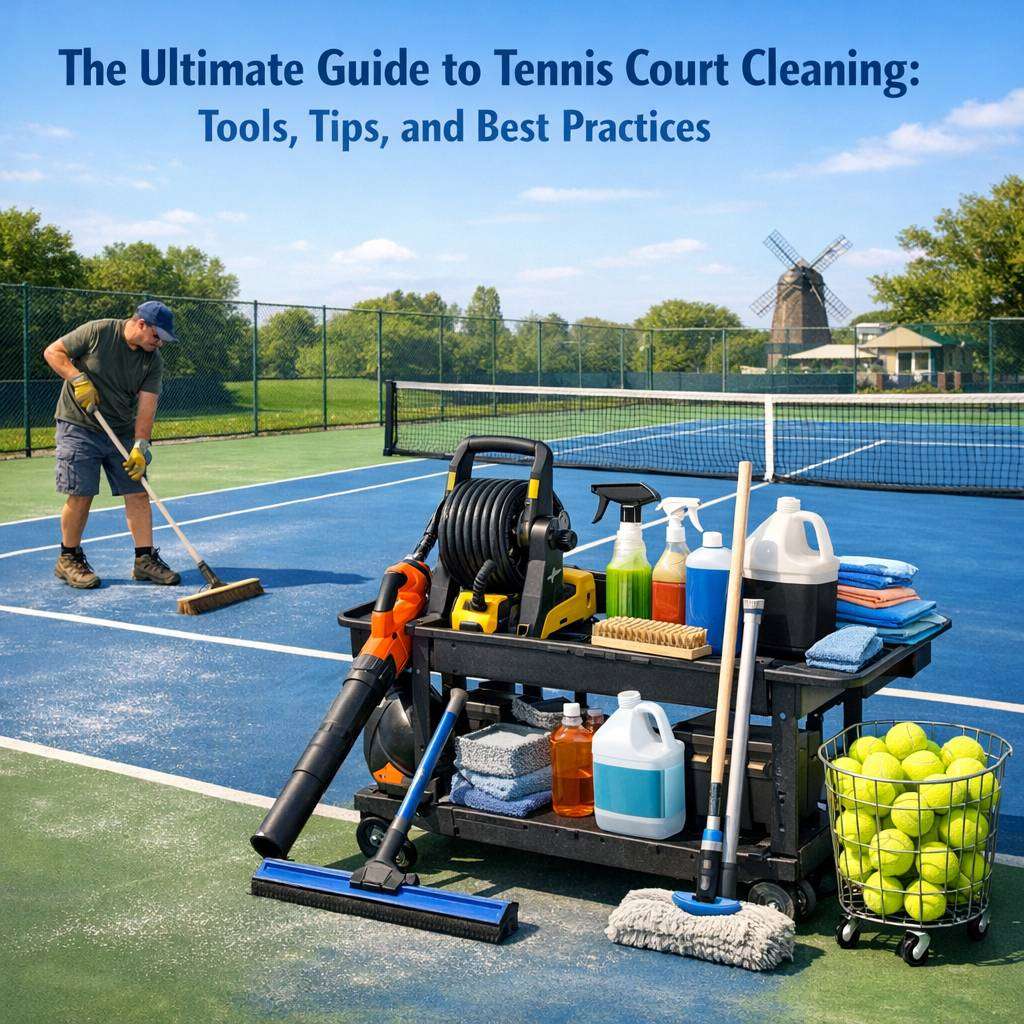
artificial grass tennis court
An artificial grass tennis court offers a consistent playing surface with excellent drainage when properly cared for. Cleaning begins with a routine that removes debris, dust, and organic matter that can accelerate wear. Regular brushing helps maintain the sheath and fibre alignment, ensuring ball bounce remains predictable. For maintenance teams, investing in a dedicated brush or power broom designed for artificial grass reduces wear on the surface while lifting fibres to prevent matting. Regular top-down cleaning includes sweeping along the court lines to prevent debris from accumulating in corners and near net posts.
Key practices for artificial grass tennis court cleaning:
- Remove leaves, seeds, and twigs after play using a light rake or blower.
- Brush the surface with a medium-width stiff-bristled broom to lift fibres.
- Check line markings for wear and recoat as needed to preserve visibility.
- Inspect drainage channels and clear any obstructions to prevent water pooling.
artificial grass tennis
Artificial grass tennis surfaces can vary in fibre height, density, and backing. Cleaning strategies must adapt to these specifications to avoid surface damage. Use soft brushes on higher fibre piles to prevent fibre breakage, and employ a low-pressure water rinse to remove fine dust without saturating the backing. Algae and mould can form in shaded areas or on damp mornings, so apply a mild cleaning solution suitable for synthetic surfaces and rinse thoroughly. Always test a small inconspicuous area before applying cleaners to prevent discolouration or chemical damage.
Preventive measures include:
- Periodic grooming to maintain pile height and distribution.
- Ensuring proper drainage to avoid standing water.
- Minimising abrasive footwear and equipment on the court to extend life.
Regular maintenance is essential for optimal performance in tennis court cleaning. Proper techniques extend surface life, preserve color, and reduce slip hazards. This guide explains best practices, from debris removal to surface restoration. For detailed steps and product recommendations, visit the link in the second half: https://www.tenniscourtsupplies.co.uk/tennis-court-cleaning-explained/.
tennis court maintenance
Tennis court maintenance encompasses cleaning, surface protection, equipment inspection, and routine repairs. A comprehensive plan includes seasonal checks, a log of maintenance tasks, and a budget for replacement components such as nets, posts, and line tapes. Regular maintenance helps stave off costly restorations and extends the life of the court.
Core maintenance activities:
- Daily: remove debris, inspect for cracks or joint movement, spray down with a gentle cleaner if needed.
- Weekly: sweep or vacuum to remove fine dust, inspect drainage grates, and verify line tape integrity.
- Monthly: inspect fencing, nets, guards, and boundary markers; perform minor repairs as necessary.
- Annually: professional assessment of surface integrity, drainage efficiency, and, if required, resurfaces.
tennis court artificial grass
For tennis court artificial grass, cleaning is about preserving surface aesthetics and play characteristics. The right combination of brushing, brushing frequency, and occasional washing keeps the fibres upright and the surface even. Pay particular attention to the edges and basins where debris may accumulate. Using a dedicated tennis court blower can expedite debris removal without compacting the surface.
Best practice highlights:
- Use a magnet or sticky roller to capture small metallic debris after events.
- Schedule professional resurfacing or repairs when wear exceeds recommended thresholds.
- Protect the court from heavy equipment and vehicles to avoid marking.
tennis court cleaning
Tennis court cleaning is a critical element of ongoing maintenance. It is not just about aesthetics; proper cleaning prevents surface slickness, reduces wear hotspots, and preserves traction. Start with a pre-clean assessment to identify spots requiring extra attention, such as oily residues, moss, or mould near shaded areas.
Effective cleaning steps:
- Clear all litter, organic matter, and pet waste.
- Dry brushing to loosen soil before washing.
- Use a clean water rinse with non-abrasive cleaners compatible with the surface.
- Dry thoroughly to prevent moisture-related damage or mould.
Choosing cleaning equipment:
- Soft-bristled brushes for synthetic surfaces.
- Flat squeegees for efficient water removal on flat surfaces.
- Low-pressure washers with adjustable nozzles to avoid forcing water into joints.
- Leaf blowers for quick debris removal, ensuring airflow does not blow debris back onto the court.
tennis court repairs
Tennis court repairs focus on restoring surface integrity and preventing progressive deterioration. Cracks, rutting, or dislodged line tape require timely attention to prevent water ingress and further damage. When addressing repairs, consider both structural integrity and play characteristics.
Common repair tasks:
- Filling small cracks with compatible resurfacing compounds.
- Replacing or repairing line tape and boundary markings.
- Re-securing edge battening or edging where looseness is detected.
- Preparing the surface for resurfaces or resurfacing as needed.
Tennis court cleaning is essential for safe, playable surfaces and longevity. Regular debris removal, surface brooming, and pressure washing keep lines clear and prevents slippery spots. Professional maintenance can extend court life, protect paint coatings, and preserve bounce consistency. Efficient scheduling minimizes downtime and ensures courts stay inviting for players. For trusted services, consider experienced providers at https://fourseasonstenniscourts.co.uk/, who specialize in thorough cleaning, sanitization, and routine care tailored to tennis court materials and usage.
tennis court installation
Tennis court installation requires meticulous site preparation, proper drainage design, and correct substrate selection. A well-installed court will resist wear and weather impacts far longer, reducing maintenance demands over time. Proper installation should include:
- Level sub-base with adequate drainage gradient.
- Correct installation of artificial turf or conventional surfacing systems.
- Accurate setting of posts, nets, and boundary markers.
- Sealing joints and bedding to minimise water ingress.
During installation, it is essential to select materials that suit local climate conditions and anticipated usage. For astroturf-based systems, ensure the backing and infill are appropriate for your maintenance regime.
tennis court resurfacing
Tennis court resurfacing is typically undertaken when surface wear affects play quality or when visible damage is extensive. Resurfacing restores uniform bounce, texture, and traction. Plan resurfacing in line with court usage, weather windows, and contractor availability.
Resurfacing considerations:
- Surface type compatibility and recommended resurfacing materials.
- Surface preparation including cleaning, edge repair, and crack filling.
- Proper curing and protection to allow safe return to play.
- Post-resurfacing maintenance schedule to extend life.
Best practices across resurfacing projects:
- Schedule during periods of moderate weather to minimise curing issues.
- Verify drainage system remains functional after resurfacing.
- Implement a follow-up maintenance plan to protect the newly resurfaced surface.
For operators and facility managers, maintaining a schedule and following best practices for tennis court cleaning, repairs, installation, and resurfacing will yield consistent performance and longevity. Adopting the right tools, adhering to surface-specific guidelines, and engaging qualified professionals for major works are the keystones of enduring tennis court excellence.
Maintaining a pristine playing surface is essential for performance and safety on any tennis court. Regular cleaning prevents algae, mold, and debris from compromising grip and footing, while extending the life of nets and lines. A consistent cleaning routine also preserves the court’s aesthetics, boosting user satisfaction and facility value. For professional results, consider seasonal deep cleaning and routine maintenance by specialists. tennis court cleaning helps ensure optimal playability and longevity year after year.