
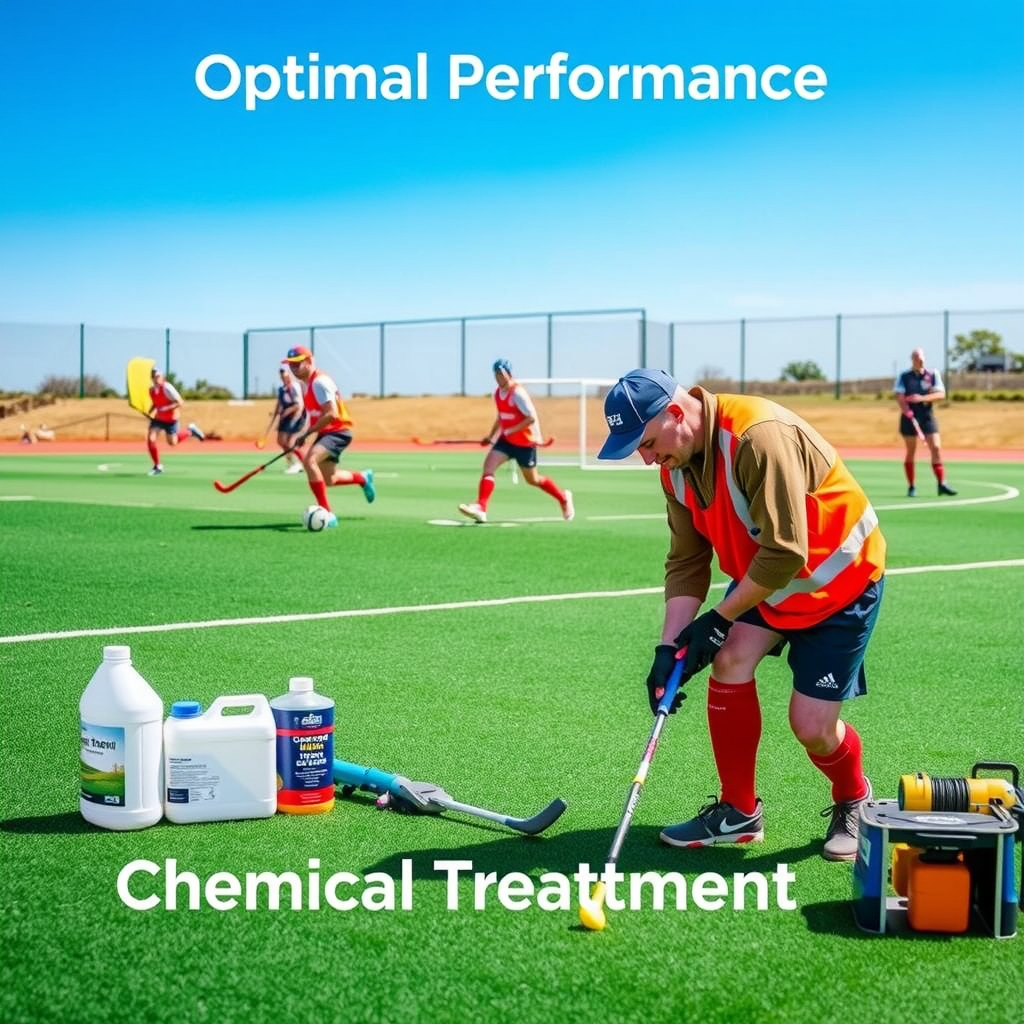
Hockey pitch chemical treatment is essential for maintaining the quality and performance of synthetic surfaces. Regular application of specialized chemicals helps prevent the growth of moss, algae, and other unwanted vegetation, ensuring a safe and optimal playing environment. To learn more about effective maintenance techniques, visit https://www.sportsgroundspecialists.com/hockey-pitch-water-based-maintenance/. Invest in proper treatments to prolong the life of your hockey pitch and enhance gameplay.
Hockey is a fast-paced, dynamic sport that demands high-performance playing surfaces to enhance both player safety and game quality. The significance of maintaining a hockey pitch extends beyond mere aesthetics; it is essential for ensuring optimal performance during gameplay. The application of chemical treatments plays a pivotal role in the upkeep and longevity of artificial pitches, particularly those designed for field hockey. This article explores various aspects of hockey pitch maintenance, focusing on the importance of chemical treatments in achieving the best possible playing conditions.
Hockey Pitch Repairs
A well-maintained hockey pitch is crucial for both the safety of players and the integrity of the game. Over time, artificial grass installations can suffer damage due to wear and tear, harsh weather conditions, and frequent gameplay. Hockey pitch repairs encompass not only fixing visible damages such as tears and fraying but also addressing underlying issues like infill displacement and inadequate drainage. Chemical treatments can aid in the repair process by disinfecting and detoxifying the surface, ensuring that any microbial growth, which can compromise the material’s integrity, is effectively eliminated.
Maintaining a hockey pitch is crucial for optimal performance and longevity. One essential aspect is the regular chemical treatment, which helps preserve the turf’s quality and playability. Effective treatment not only ensures a safe playing environment but also prevents the growth of harmful weeds and pests. For the best methods, consider exploring https://www.gkbmachines.com/machine/tbrush/.
Artificial Grass for Field Hockey
Artificial grass has become the preferred choice for field hockey pitches due to its durability, consistency, and low maintenance requirements. Unlike natural grass, artificial turf provides a uniform surface, which is essential for the rapid ball movement characteristic of the sport. However, the benefits of artificial grass can only be fully realised through appropriate maintenance, including regular chemical treatments. These treatments not only enhance the pitch’s physical appearance but also improve its functional qualities, such as water retention and drainage capabilities, thereby fostering a superior playing environment.
Hockey Pitch Rejuvenation
Hockey pitch rejuvenation is the process of restoring the surface’s initial properties. Over time, synthetic pitches can become compacted or lose their cushioning properties, making them less effective for player performance and safety. Chemical treatments designed for rejuvenation can restore the pitch’s fibrous structure and pliability. This rejuvenation process typically involves the application of specific chemicals that penetrate the fibres of the grass, allowing them to regain their resilience and bounce-back characteristics.
Hockey Pitch Resurfacing
When wear and tear become too pronounced, hockey pitch resurfacing may be necessary. This is a more intensive measure compared to standard maintenance activities and often involves the application of a new layer of synthetic grass over the existing surface. Prior to resurfacing, a thorough chemical cleaning and preparation are vital to ensure that the new surface adheres properly and performs optimally. Effective chemical treatments can eliminate debris, organic material, and microbial growth, setting the stage for a successful resurfacing project.
Hockey Pitch Installation
The performance and longevity of a hockey pitch are also significantly influenced by the installation process. Proper installation, paired with the right choice of materials and chemical treatments, can enhance a pitch’s durability and performance capabilities. Chemical agents designed for installation can help in the installation of infill materials, ensuring even distribution and optimal performance characteristics. These products are essential for earmarking a high-quality pitch that can withstand the rigours of competitive play.
Ensuring optimal performance on a hockey pitch requires effective maintenance, and a crucial aspect is the chemical treatment of the playing surface. Proper chemical treatment helps in controlling algae, moss, and other unwanted growth, extending the life of the pitch and enhancing player safety. Regular application of these treatments keeps the turf in peak condition, allowing for a superior playing experience. For expert advice and services on maintaining your hockey pitch, visit https://www.artificialgrassmaintenance.co.uk.
Hockey Pitch Maintenance
Regular maintenance is integral to the longevity and performance of a hockey pitch. Beyond simple cleaning practices, the incorporation of chemical treatments into your maintenance routine can significantly elevate the performance of the surface. Maintaining ideal moisture levels, preventing the growth of moss or algae, and ensuring that infill materials remain evenly distributed are all tasks better handled with the right chemicals. Employing a smart maintenance regimen, inclusive of chemical treatments, can mitigate long-term costs associated with extensive repairs and replacements.
Ensuring the longevity and performance of your playing surface is crucial. Regular hockey pitch chemical treatment not only enhances the surface’s durability but also promotes player safety by reducing abrasive conditions. By applying appropriate chemicals, you can maintain optimal playing conditions and extend the lifespan of your hockey pitch effectively, ensuring every game is a rewarding experience.
Hockey Pitch Cost
Investing in a hockey pitch involves various upfront and ongoing costs, ranging from installation to maintenance. While chemical treatments may represent an additional expense, they should be viewed as a long-term investment in the health and performance of the pitch. Proper chemical application can greatly reduce the frequency and cost of repairs by proactively addressing issues before they become major problems. Consequently, well-maintained pitches can also attract more bookings and tournaments, further offsetting operational costs.
Hockey Pitch Cleaning
Regular cleaning is critical for maintaining the performance and appearance of a hockey pitch. A proper cleaning regimen that incorporates chemical treatments helps remove debris, grime, and organic matter that can interfere with gameplay. Regular cleaning not only extends the life of the pitch but also enhances player safety by preventing slips and falls associated with unkempt surfaces. Chemical agents specifically formulated for turf cleaning can effectively remove contaminants while being safe for the materials used in artificial grass.
In summary, the importance of chemical treatment in hockey pitch maintenance cannot be overstated. Enhanced player performance, extended pitch longevity, and overall safety are reliant on a robust maintenance strategy incorporating well-chosen chemical treatments. Investing in these maintenance practices is strategically beneficial, fostering an optimal environment for the sport to thrive.
FAQ: Hockey Pitch Chemical Treatment
What is hockey pitch chemical treatment?
Hockey pitch chemical treatment refers to the application of specialised chemicals designed to maintain and enhance the condition of artificial grass surfaces on hockey fields. This process helps prevent the growth of moss, algae, and weeds, ensuring optimal playing conditions.
Why is chemical treatment necessary for a hockey pitch?
Chemical treatment is essential for maintaining a clean and safe playing environment. It helps in controlling biological growth that can compromise performance and safety by making surfaces slippery or uneven. Regular treatments extend the lifespan of synthetic pitches, reduce maintenance costs, and improve player experience.
How often should a hockey pitch undergo chemical treatment?
The frequency of chemical treatment depends on various factors such as climate, usage frequency, and specific field conditions. Generally, it’s recommended to perform treatments at least once or twice per year to ensure optimal results.
What are the main benefits of using chemical treatment on a hockey pitch?
- Improved Safety: Reduces slip hazards by minimising biological growth.
- Enhanced Performance: Maintains consistent playing conditions.
- Longevity: Extends the life span of artificial turf surfaces.
- Cost-Efficiency: Reduces long-term maintenance costs by preventing damage from organic buildup.
Are there any environmental concerns with using chemicals on a hockey pitch?
While some may have concerns about environmental impact, many modern chemical treatments are designed to be eco-friendly and compliant with safety regulations. It’s important to choose products that are safe for both players and surrounding wildlife while effective in maintaining turf quality.
What should I look for when choosing a service provider for hockey pitch chemical treatment?
Look for providers who specialise in synthetic turf management with proven track records. Consider their experience with sport-specific fields, customer reviews, adherence to environmental standards, and use of eco-friendly products.
Can I perform DIY chemical treatments on my hockey pitch?
While it’s possible to apply some types of treatments yourself if you have sufficient knowledge about synthetic turf maintenance products; however, it’s usually advisable to consult professionals who understand proper application techniques without damaging the surface or affecting its performance negatively.
How long does it take for a treated hockey pitch to be ready for use after applying chemicals?
Typically after completing a professional application of chemicals on a hockey pitch; it can take anywhere from 24 hours up until one week before resuming play depending upon specific products used—always follow manufacturer recommendations regarding re-entry times.