
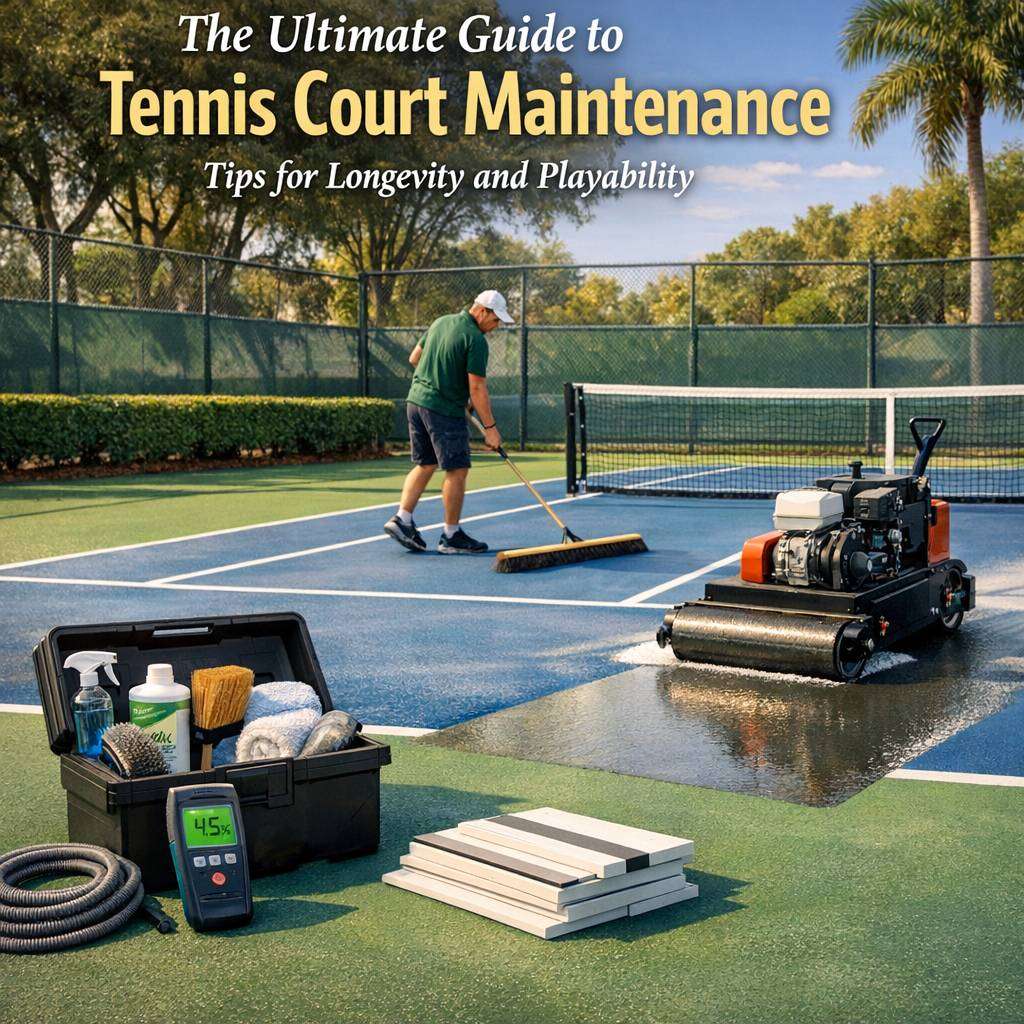
Tennis court maintenance is both an art and a science. For facilities managers, club owners, and dedicated players alike, the longevity and playability of a court depend on a proactive approach to upkeep, proper materials, and timely interventions. This guide provides practical, evidence-based strategies for keeping artificial grass tennis courts in peak condition, whether you are dealing with a brand-new installation or legacy surfaces that require care.
From the initial installation to routine cleaning and occasional resurfacing, the quality of a tennis court is influenced by drainage, infill balance, fibre integrity, and weather resilience. By understanding the specific needs of artificial grass tennis courts, you can minimise downtime, prolong the surface’s life, and maintain consistent bounce and grip that players expect. The following sections outline key maintenance principles, common issues, and step-by-step considerations to ensure your tennis grass court remains a safe, playable, and attractive asset.
The aim of good tennis court maintenance is to create a stable playing environment while protecting the underlying structure. Regularly inspecting edges, joints, and boundary fencing helps prevent debris intrusion and edge wear. Monitoring temperatures and humidity, especially on artificial grass, guides decisions about cleaning frequency and brushing schedules. With effective tennis court cleaning routines, you reduce stain formation, fibre flattening, and the accumulation of loose fibres that can affect ball roll and player footing.
FAQ: Tennis Court Maintenance
What is tennis court maintenance?
Tennis court maintenance refers to the routine care, cleaning, repair, and resurfacing activities required to keep a tennis court playing well, safe, and in good condition. This includes cleaning debris, inspecting and fixing cracks, maintaining court surfaces, lines, nets, and proper drainage.
How often should a tennis court be cleaned?
Regular cleaning should occur at least weekly in moderate climates and more often in areas with heavy leaf fall or dust. In peak playing seasons, consider a light sweep and debris removal after every few matches to prevent buildup.
How do I clean a clay court?
Clay courts require regular sweeping to redistribute the surface, gentle brushing to remove debris, and watering to maintain the surface moisture. Rolling and rolling along with proper line maintenance are also important. Avoid excessive water and use a drag brush or mat for even texture.
How do I clean an acrylic or hard court?
For acrylic or hard courts, remove loose debris with a leaf blower or broom, wash with a mild detergent solution, and rinse thoroughly. Address stains promptly and repair any surface damage to prevent further deterioration.
When should I reseal or resurface a court?
Resealing or resurfacing intervals depend on material type and usage:
- Asphalt or macadam: reseal every 2–4 years, resurfacing every 6–10 years.
- Acrylic-coated hard court: reseal every 3–5 years, resurface as needed based on surface wear.
- Clay: requires ongoing maintenance rather than resealing; topdressing and reconditioning as needed.
How can I prevent cracks on a tennis court surface?
Prevent cracks by controlling moisture, proper drainage, avoiding tree roots near the court, using correct base materials, and scheduling regular inspections. Address small cracks early, seal them, and monitor for progression.
How often should nets and lines be inspected?
Nets and lines should be inspected monthly for wear, tautness, and alignment. Replace worn nets, repair net posts, and repaint or replace lines as needed to maintain official dimensions and visibility.
What maintenance tasks are required for a clay court?
Clay court maintenance includes daily roller or drag brushing, regular watering to maintain moisture, periodic line sweeping, rolling to compact the surface, and topdressing with fresh clay as needed. Reconditioning after heavy use is common.
How can I extend the life of my tennis court?
- Regular cleaning and debris removal
- Prompt repair of cracks and drainage issues
- Proper resurfacing at recommended intervals
- Consistent line and net maintenance
- Protecting the surface from harsh weather and chemical spills
Should I hire a professional for court maintenance?
For complex tasks like resurfacing, crack repair, drainage optimisation, or major line and surface work, hiring a professional tuner or court maintenance service is recommended. They provide expertise, proper materials, and warranties.
What are common signs that my court needs attention?
- Visible cracks, sunken areas, or crumbling edges
- Efflorescence, staining, or surface discoloration
- Poor footing, slipperiness, or excessive dust
- Nets sagging or uneven lines
- Poor drainage or standing water after rain
How much does tennis court maintenance typically cost?
Costs vary by court type, size, condition, and geographic location. Routine cleaning may cost a few hundred dollars annually, while resurfacing or major repairs can range from several thousand to tens of thousands. Get multiple quotes for a precise estimate.
Are there best practices for court aging management?
Yes:
- Schedule regular inspections
- Keep drainage functional
- Follow manufacturer guidelines for maintenance products
- Use proper cleaning methods and tools
- Plan resurfacing or recoating on a data-driven timeline
- Document maintenance history for reference
What should I do after a rainstorm?
After rain, ensure the court is dry before play, remove standing water if possible, and inspect for any surface damage or softened areas. Allow the court to thoroughly dry before the next use to prevent surface damage.
Can sunlight or weather affect court maintenance?
Yes. UV exposure can degrade coatings on acrylic courts, while freeze-thaw cycles can cause cracks on asphalt or concrete bases. Weather potentialises wear, so adjust maintenance frequency seasonally and protect surfaces from extreme conditions.
If you’d like, I can tailor this FAQ to a specific court type (asphalt, concrete, clay, or acrylic) or add local considerations.
Maintenance planning and routine inspection
A well-structured maintenance plan starts with a documented schedule that covers daily, weekly, monthly, and seasonal tasks. Daily checks typically involve brushing the surface to lift fibres back to their upright position and removing any leaves or debris. Weekly tasks may include a more thorough brush and a light rinse to prevent surface dust from clumping. Monthly maintenance should assess infill levels, drainage grates, and edge wear, while seasonal checks look at drainage efficiency, weed growth near borders, and the condition of surrounding fencing and nets. A proactive approach to tennis court maintenance helps identify issues before they escalate into costly repairs.
Tennis court maintenance is essential for consistent play and safety. Regular cleaning, surface checks, and line maintenance extend court life. For expert guidance and services, visit https://www.artificialgrassmaintenance.co.uk for reliable resources and support.
Cleaning and debris management
Tennis court cleaning is essential not just for aesthetics but for the surface’s performance. For artificial grass tennis courts, a combination of brushing and selective washing is often effective. Use a nylon bristle brush to avoid fibre damage while restoring vertical fibre alignment. Gentle water washing can remove fine dust and pollen, but avoid high-pressure jets that can dislodge infill or compact the surface. Removing horticultural debris, seeds, and litter keeps the playing surface consistent and reduces the risk of grip inconsistencies during play.
Infill management and surface balance
Infill levels are critical to the feel and play of tennis grass court surfaces. Over time, infill may migrate, leading to inconsistent ball bounce and footing. Regular checks should verify that infill remains evenly distributed and at the recommended depth for your surface specification. If infill becomes compacted or depleted, rebalancing with the appropriate material is necessary. This ensures uniform traction and mitigates rut formation along high-traffic lines of play.
Tennis court repairs and damage mitigation
Damage on artificial grass tennis courts can range from minor fibre flattening to more significant tears or seam separation. Prompt attention is essential. Small repairs, such as reseating displaced fibres or patching isolated worn areas, can restore playability without a full resurfacing. More substantial damage may require expert intervention to re-fibre, reseal joints, or address underlying substrate issues. Early intervention reduces the risk of moisture ingress and bulkhead damage that can compromise the entire court surface.
Regular inspection and timely repairs extend the life and playability of grass and asphalt surfaces. Proper drainage, brushing, and seasonal treatments keep surfaces safe. For more on moss issues, consult this resource: https://www.cleantalk.co.uk/threads/moss-on-a-tarmac-tennis-court.13973/
Drainage and weather considerations
Effective drainage is the backbone of tennis court maintenance, particularly for outdoor artificial grass courts. Poor drainage leads to water pooling, increased wear on contact zones, and accelerated degradation of infill and fibres. Regularly inspect drainage channels and outlets to ensure unobstructed flow. After heavy rain, a light broom and gentle rinse can help restore surface micro-texture and promote faster drying. Weather considerations should inform scheduling for cleaning and brushing; avoid aggressive cleaning immediately after rainfall, which can disturb a newly softened surface.
Tennis court resurfacing and installation planning
Tennis court resurfacing is a strategic decision when fundamentally changing the playing characteristics or extending the lifespan of a surface. For artificial grass courts, resurfacing can involve replacing the turf layer, refreshing the underlayment, and reapplying infill where necessary. When planning resurfacing, evaluate the existing installation’s age, wear patterns, and drainage performance. A modern resurfacing project may also present an opportunity to upgrade to a higher-quality fibre or a different pile height to suit the local climate and user group. These projects require careful budgeting and coordination with qualified contractors who specialise in tennis court installation and maintenance.
Quality standards and best practices
Adherence to manufacturer guidelines for cleaning agents, infill materials, and brush types is essential to preserve warranty and surface performance. Using compatible cleaning products prevents chemical degradation of the fibre or backing. Best practices also include scheduling maintenance during periods of low utilisation to minimise disruption to clubs and schools. Documented procedures, staff training, and routine audits help sustain high levels of playability and safety.
Longevity through proactive care
Taking a proactive stance on tennis court maintenance yields measurable benefits: fewer repairs, lower total cost of ownership, and preserved playing characteristics. Regular cleaning, infill management, drainage maintenance, and timely repairs create a stable playing environment that supports consistent ball bounce and footing. For organisations investing in artificial grass tennis court installations, a well-planned maintenance regime is a prudent investment in both performance and longevity.
If you are evaluating options for new facilities or upgrading an existing site, consider consulting specialists in tennis court installation and tennis court maintenance. They can provide tailored guidance on material choices, optimal cleaning schedules, and long-term resurfacing plans to align with usage patterns and climate factors. By prioritising maintenance from the outset, you can enjoy enduring playability and a surface that stands up to the rigours of regular play.