
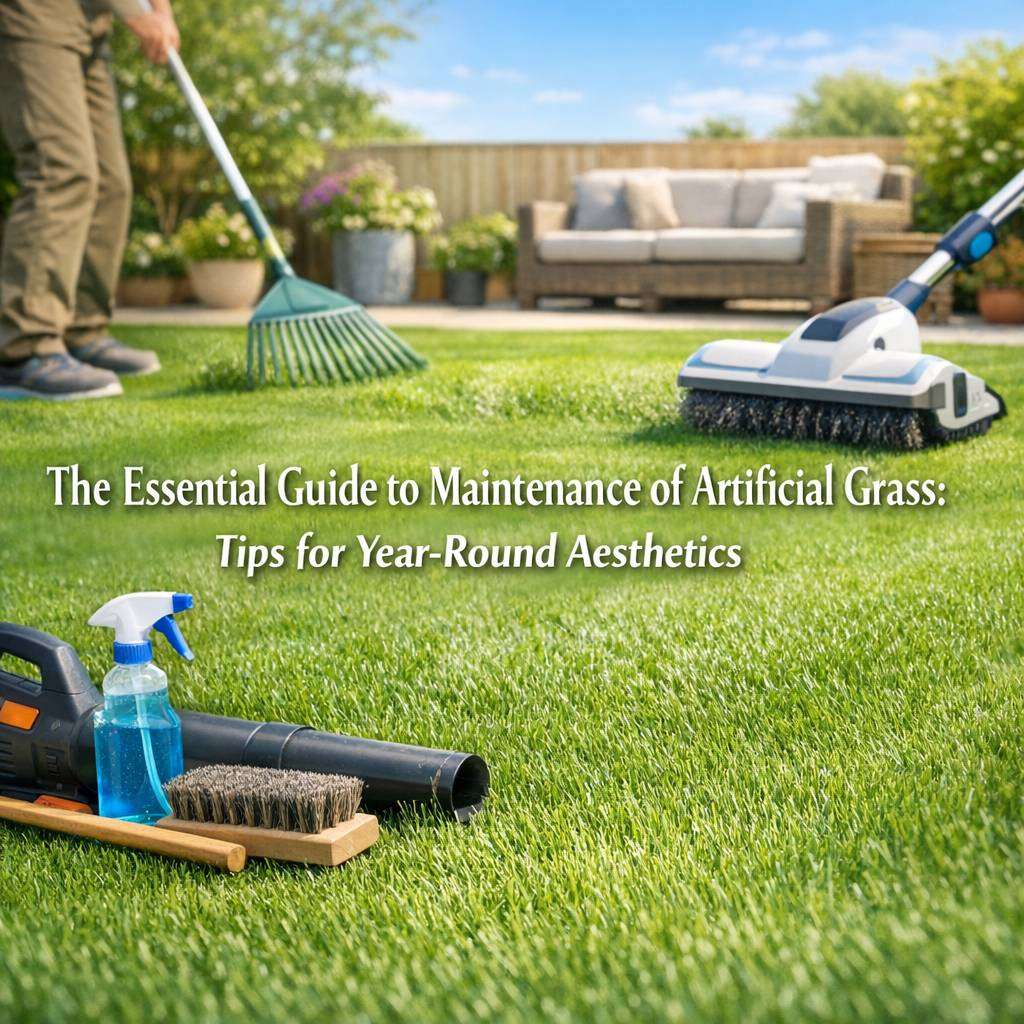
Artificial grass has transformed gardens, playgrounds, and sports facilities alike, offering low-water, low-fuss beauty. Yet to keep that pristine, green look every day of the year, a sensible maintenance routine is essential. This guide, written by an expert, covers practical strategies for artificial grass care and maintenance so you can enjoy enduring aesthetics with minimal effort.
Understanding the Basics of Maintenance of Artificial Grass
Maintaining artificial grass is straightforward when you view it as a two-part routine: regular upkeep and periodic refreshment. On a daily to weekly cadence, simple tasks like removing debris, brushing fibres, and keeping the backing clean help preserve pile height and drainage. Periodically, more thorough attention is needed to address soil contamination, odours, and wear patterns. A well-planned artificial grass maintenance package can streamline this process, offering tailored solutions that fit your space, usage, and climate.
Regular Cleaning and Debris Removal
Debris such as leaves, twigs, and dust can accumulate on the surface, potentially affecting drainage and appearance. A wide-headed broom or a lightweight garden rake is ideal for brushing against the grain of the fibres to lift debris. For areas prone to higher leaf fall or pollen, a weekly sweep becomes important to prevent compaction and grass flattening. After rainfall, lift any waterlogged debris and ensure the surface drains freely. If you notice odours or mould in damp patches, address ventilation and consider an occasional light spray with a gentle squeegee of water to refresh the fibres.
Brushing and Grooming for Longevity
Brushing is key to maintaining the natural camber and upright pile of artificial grass. Use a stiff, angled brush or a powered bristle brush to brush against the grain in multiple directions, especially in high-traffic zones. This helps prevent matting, restores the peak of each blade, and improves resilience during traffic. In shaded areas or on slopes where moisture may linger, increased brushing frequency can prevent flattening and keep a lively appearance. For pets or high-usage installations, review brushing frequency as part of your artificial grass maintenance plan to ensure consistent tuft performance.
Maintaining a pristine lawn without mowing is a clear advantage of synthetic turf. Regular brushing restores pile height, while occasional washing removes dust and debris. Weeds can still appear at edges, so a disciplined edge trim helps. For detailed guidance, follow a trusted resource on upkeep and best practices. In the latter half, consult maintenance of artificial grass for in-depth tips and proven maintenance routines.
Irrigation, Drainage, and Water Management
Drainage is fundamental to-year round usability. Most artificial grass systems rely on a well-designed sub-base and good surface slope to shed water quickly. After heavy rain, check for pooled water and ensure the surface resets quickly. In wetter climates, occasional vacuuming or air-blowing to clear the sub-surface can help restore drainage. If you notice persistent damp patches or muddy edges, a professional assessment might be warranted as part of a dedicated artificial grass maintenance service.
FAQ: Maintenance of Artificial Grass
How often should I clean artificial grass?
Regular cleaning is recommended to remove debris and prevent odour. Light daily brushing or raking to lift fibers, with a deeper clean every 1–2 weeks depending on usage and weather.
What is the best way to remove leaves and debris?
Use a stiff bristle broom or a leaf blower on a low setting. For wet debris or pollen buildup, rinse with water and use a mild soap if necessary. Avoid harsh chemicals.
Can I use a vacuum on artificial grass?
Yes, a vacuum with a wide roller or brush attachment can help remove fine debris. Ensure the vacuum is not too powerful to prevent pulling at the fibers.
How do I prevent odours on artificial grass?
Rinse with water regularly, especially in high-use areas. For persistent odours, use a turf-safe deodourizer or a mixture of water and white vinegar. Ensure proper drainage to prevent standing water.
Is it safe to cut or trim artificial grass?
Do not cut the artificial turf itself; cut surrounding borders if needed. If you must trim, use a sharp utility knife along the edge and seal joints with appropriate tape or adhesive.
How do I brush or fluff the grass fibers?
Use a stiff nylon brush or power broom, brushing against the grain to lift fibers for a natural look. Do this weekly or after heavy use, wind, or rain.
What should I do after heavy rain?
Allow the area to drain naturally. Remove pooled water with a squeegee or towel if needed. Brush the turf once dry to restore the pile direction.
How do I prevent pet damage?
Provide a designated toilet area, rinse frequently, and remove solid waste promptly. Use enzyme-based cleaners to neutralise odours and avoid harsh chemicals that could degrade the backing.
Can I apply fertiliser or pesticides on artificial grass?
Only use products labeled safe for artificial turf and follow the manufacturer’s instructions. Generally, avoid granular spreaders directly on the turf; apply to surrounding soil if needed and water in thoroughly.
How often should I clean the infill?
Infill typically settles over time; check and rake to redistribute every 6–12 months. Add more infill if the grass looks flat or the blades lie down.
What maintenance is required after installation?
After installation, remove construction debris, brush the blades to lift them, and rinse the area. Check for loose seams or edging and have repairs done promptly.
How do I prevent fading and weather damage?
Choose UV-stabilized turf and ensure proper drainage. Clean away leaves and organic matter to prevent staining. In extreme climates, consider a cover or shade structure.
What should I do if the grass develops a stain?
Identify the stain type (oil, dye, organic matter) and use an appropriate turf-safe cleaner. Rinse thoroughly after treatment and test on a small, inconspicuous area first.
How long does artificial grass typically last?
Most residential artificial grasses last 10–15 years with proper maintenance. High-traffic commercial installations may have shorter lifespans.
If you’d like, I can tailor these FAQs to a specific type of artificial grass (residential lawn, playground, sports turf) or address regional climate considerations.
Infills, Backing Care, and Material Integrity
Over time, infill particles may migrate, reducing cushioning and support. If you have sand or rubber infill, monitor levels and replenish as needed to maintain ply height and resilience. Avoid using heavy household cleaners or solvents on the surface, as these can degrade the backing and fibres. For pets, consider odour-neutralising solutions approved for artificial grass care and maintenance. Regular checks of the edging and seams are advisable to prevent edges from lifting, particularly around boundary lines and play zones.
Seasonal Adjustments for Year-Round Aesthetics
Seasonal changes warrant tailored care. In autumn, frequent leaf clearance is essential, along with brushing to combat leaf litter settling into the fibre. Winter requires vigilance for moss and algae in damp, shaded corners; occasional cleaning with a mild detergent approved for artificial grass can help keep fibres clean and slip-free. Spring is a time for a refresh: re-brush the entire area, top up infill if needed, and inspect drainage outlets to prevent blockages. Summer care focuses on frequent brushing and debris removal, as pollen and dust can accumulate faster in dry, windy conditions. A proactive artificial grass maintenance package can ensure year-round performance with seasonal service visits.
Pets, Odours, and Hygiene
Pets are a common consideration in artificial grass care and maintenance. Removing faeces promptly and rinsing the area with water helps prevent odour formation. An occasional enzymatic cleaner designed for artificial grass can be part of artificial grass care and maintenance, especially in high-use pet zones. Ensure there is adequate aeration and sun exposure to discourage bacterial build-up, and monitor drainage after use to keep the surface pleasant for daily activity.
Professional Support and Service Options
Many users opt for a dedicated artificial grass maintenance service to extend the longevity and appearance of their installation. A typical plan includes a detailed inspection, debris removal, brushing, infill management, and a targeted assessment of drainage and seams. When searching for help, terms such as “artificial grass maintenance near me” can guide you to reputable providers who specialise in synthetic turf systems. An artificial grass maintenance package can be customised to your space, whether a domestic lawn, sports pitch, or playground surface. Regular professional checks can identify and rectify issues before they escalate, providing peace of mind and consistently high aesthetics.
Common Pitfalls to Avoid
Avoid using aggressive cleaners or pressure washing on delicate fibre or backing materials, which can cause wear and deterioration. Do not neglect drainage concerns; standing water can promote microbial growth and compromise playability. Skip heavy equipment on delicate installations; use appropriate tools and consider professional assistance for large-scale or complex areas. Finally, avoid overfilling infill, which can hinder drainage and alter the feel underfoot.
A Simple Routine to Stay on Track
Create a practical schedule that fits your environment and usage. Daily to weekly: remove debris, brush to maintain fibre upright, and promptly address any pet waste or spills. Monthly or quarterly: inspect edges and seams, top up infill if needed, and assess drainage performance. Annually: consider a professional servicing package for a comprehensive check, including cleaning, odour control, and durability assessment. A regular cadence keeps maintenance of artificial grass straightforward and effective, giving you confidence that your space remains welcoming throughout the year.
If you’re exploring options, a trusted artificial grass maintenance service can tailor a plan to your needs, ensuring you receive comprehensive care without the guesswork. Whether you’re maintaining a residential lawn, an artificial pitch, or a playground surface, a well-structured maintenance of artificial grass plan will safeguard aesthetics and functionality for seasons to come.