
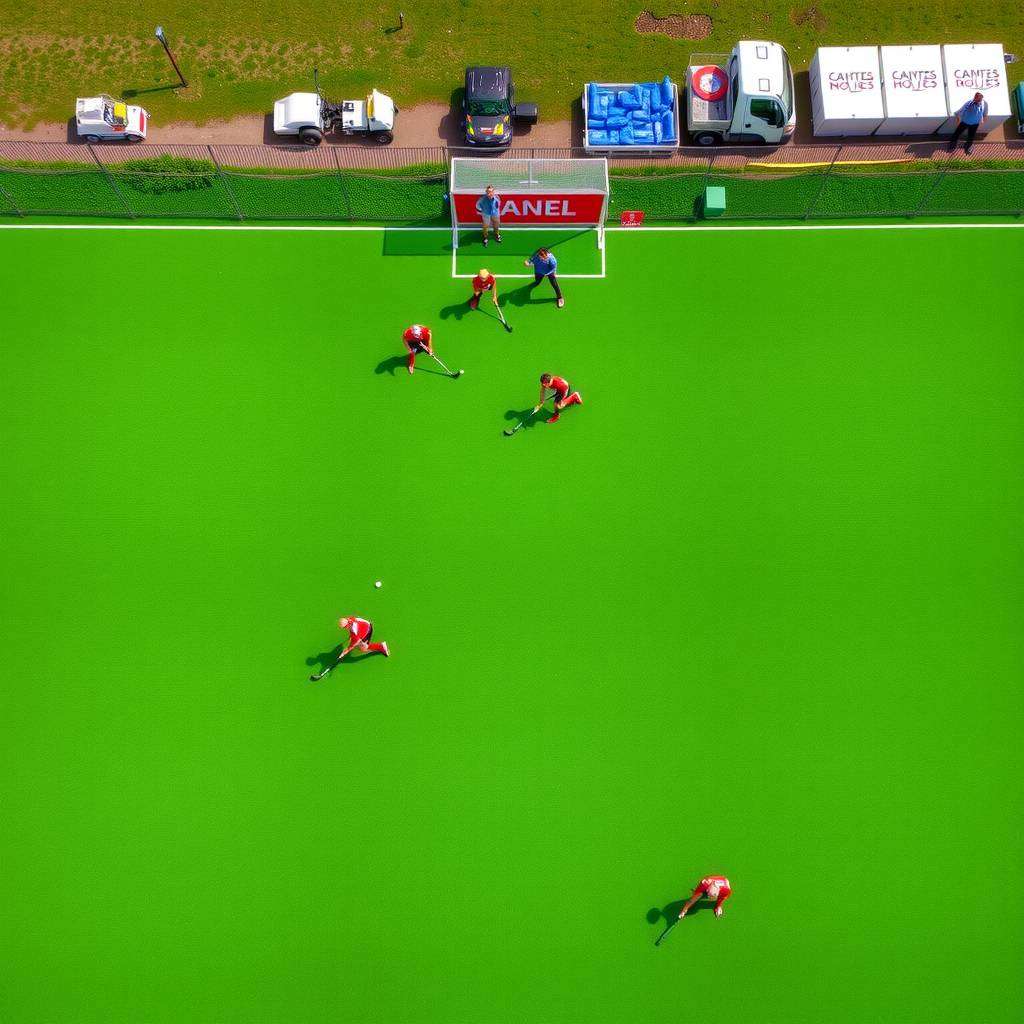
Maintaining a high-quality hockey pitch is essential for ensuring optimal performance, player safety, and longevity of the playing surface. Over time, artificial grass for hockey, particularly Astroturf, can become worn, discoloured, and less effective, which can greatly impact the game. This guide will delve into various aspects of hockey pitch resurfacing, including rejuvenation techniques, chemical treatments, cleaning methods, and associated costs, aimed at helping you make informed decisions for your hockey facility.
Hockey pitch resurfacing is essential for maintaining optimal playing conditions and safety. Regular maintenance ensures longevity and performance. For professional resurfacing services and expert advice, visit https://www.artificialgrassmaintenance.co.uk to enhance your hockey facility today.
Understanding Hockey Pitch Rejuvenation
Rejuvenation is the process of restoring the physical and aesthetic properties of an artificial hockey pitch. This involves a combination of cleaning, repairs, and treatments designed to bring the pitch back to its original state or even enhance its functionality. A well-rejuvenated pitch can improve ball speed, reduce player injury risks, and extend the surface’s lifecycle significantly.
There are several methods for rejuvenating a hockey pitch, ranging from simple cleaning to advanced chemical treatments. It’s crucial to regularly assess the condition of your pitch to identify what rejuvenation measures are necessary.
Cleaning Your Hockey Pitch
Regular hockey pitch cleaning is vital for maintaining the performance and appearance of your facility. Dirt, debris, and organic matter can accumulate on the surface, detracting from its playability and posing safety hazards.
FAQ: Hockey Pitch Resurfacing
What is hockey pitch resurfacing?
Hockey pitch resurfacing refers to the process of renewing and repairing the playing surface of a hockey field. This involves replacing or refurbishing the existing synthetic turf, ensuring that it meets the required standards for safety, performance, and playability.
Why is hockey pitch resurfacing important?
Resurfacing is essential to maintain optimal playing conditions on a hockey field. Over time, wear and tear from regular use can lead to uneven surfaces, reduced traction, and safety hazards. Regular resurfacing helps extend the lifespan of the pitch while improving player performance.
How often should a hockey pitch be resurfaced?
Typically, a hockey pitch should be resurfaced every 8-10 years. However, factors such as usage frequency, weather conditions, and maintenance practices can influence this timeline. Regular inspections can help determine when it’s time for resurfacing.
What materials are used in hockey pitch resurfacing?
Common materials used for hockey pitch resurfacing include various types of synthetic turf (such as polyethylene or nylon), infill materials like rubber granules or sand mixtures, and adhesive products for binding layers together. The choice of material depends on factors like desired performance characteristics and budget constraints.
How long does the resurfacing process take?
The duration of the resurfaces varies depending on several factors including field size and weather conditions but typically ranges from one to three weeks. The process includes removing old turf, making necessary repairs to substructures if needed, installing new turf layers including infill material.
Can I play on my hockey pitch right after it’s been resurfaced?
It’s recommended to allow adequate curing time before using a newly surfaced hockey pitch—typically around 24-48 hours—but this may vary based on specific materials used during installation. Always consult with your contractor about when it will be safe to resume play after surfacematerialis installed.
Are there any special maintenance practices required after surfing a Hockey Pitch?
Yes! After completing renovation work ,it’s important practice regular maintenance such as periodic grooming (to redistributing infill), keeping lubrication techniques fresh which supports longevity ,and ensuring grasses’ density remain consistent . Annual inpection helps identify potential issues early .
Feel free reach out if you have more questions regarding “hockey-pitch-resurfacer”.
Basic Cleaning Techniques
Brooming: Regularly sweeping the pitch with a stiff-bristle broom can help remove leaves, twigs, and other loose debris. This should be done before any extensive cleaning is undertaken.
Vacuuming: Using a specialised pitch vacuum can effectively remove dirt and particles embedded in the artificial grass for field hockey. This equipment can reach deep into the pile, ensuring a thorough clean.
Power Washing: For more stubborn stains or built-up grime, power washing can be an effective method. However, it is crucial to use the right pressure settings to avoid damaging the pitch.
Advanced Cleaning Techniques
For pitches that require more than just basic cleaning, there are various specialised techniques:
-
Deep Cleaning: This involves using specific cleaning solutions designed for artificial grass. A deep clean removes embedded dirt, algae, and bacteria, revitalising the playing surface.
-
Sand Topdressing: Adding a thin layer of sand can help stabilise the infill, enhance performance, and reduce wear on the grass fibres. This should be done with care to ensure even distribution.
Deep Cleaning: This involves using specific cleaning solutions designed for artificial grass. A deep clean removes embedded dirt, algae, and bacteria, revitalising the playing surface.
Sand Topdressing: Adding a thin layer of sand can help stabilise the infill, enhance performance, and reduce wear on the grass fibres. This should be done with care to ensure even distribution.
The Role of Chemical Treatments
Hockey pitch chemical treatment plays a pivotal role in maintaining the performance characteristics of a synthetic surface. Over time, pitches can develop issues like mould, mildew, and general wear, which can be mitigated through appropriate chemical applications.
Types of Chemical Treatments
Anti-Mould Products: Regular application of anti-mould treatments can help prevent fungal growth, which not only impacts the performance but can also create slippery areas, posing a safety risk.
Infill Refreshers: Applying infill refreshers can revitalise the performance characteristics of the pitch, ensuring optimal ball roll and speed, thereby enhancing the overall gameplay experience.
Stain Removal Solutions: For persistent stains from spills, mud, or organic buildup, specialised stain removal chemicals can significantly improve the aesthetic quality of the pitch.
Assessing Hockey Pitch Costs
When considering hockey pitch resurfacing, budgeting is crucial. The cost of service can vary widely based on several factors:
-
Type of Treatment: Basic cleaning services will typically cost less than advanced rejuvenation treatments that employ chemical solutions and deep cleaning techniques.
-
Size of the Pitch: Larger pitches will naturally incur higher costs due to the increased labour and materials required.
-
Frequency of Maintenance: Regular maintenance can significantly reduce long-term costs by preventing major degradation that would necessitate costlier repairs or resurfacing more frequently.
Type of Treatment: Basic cleaning services will typically cost less than advanced rejuvenation treatments that employ chemical solutions and deep cleaning techniques.
Size of the Pitch: Larger pitches will naturally incur higher costs due to the increased labour and materials required.
Frequency of Maintenance: Regular maintenance can significantly reduce long-term costs by preventing major degradation that would necessitate costlier repairs or resurfacing more frequently.
Choosing the Right Artificial Grass for Hockey
The choice of artificial grass for hockey can also impact the longevity and performance of your pitch. The ideal material should provide a consistent playing surface, suitable shock absorption, and facilitate optimal ball movement. When investing in hockey pitch Astroturf, consider:
-
Durability: High-quality turf is engineered to withstand intensive gameplay while maintaining its structural integrity.
-
Infill Material: The type of infill used is essential for controlling ball behaviour and providing cushioning for players.
-
Surface Texture: Look for turf with a texture that mimics natural grass to ensure that players have a comfortable and safe experience.
Durability: High-quality turf is engineered to withstand intensive gameplay while maintaining its structural integrity.
Infill Material: The type of infill used is essential for controlling ball behaviour and providing cushioning for players.
Surface Texture: Look for turf with a texture that mimics natural grass to ensure that players have a comfortable and safe experience.
Maintaining a hockey pitch is not only about performance; it’s also vital for player safety and ensuring longevity. By investing in proper cleaning, rejuvenation, and chemical treatments, you can enhance the quality of your facility, creating a better experience for players and spectators alike. Remember, a well-kept hockey pitch is fundamental to the integrity of the game.