
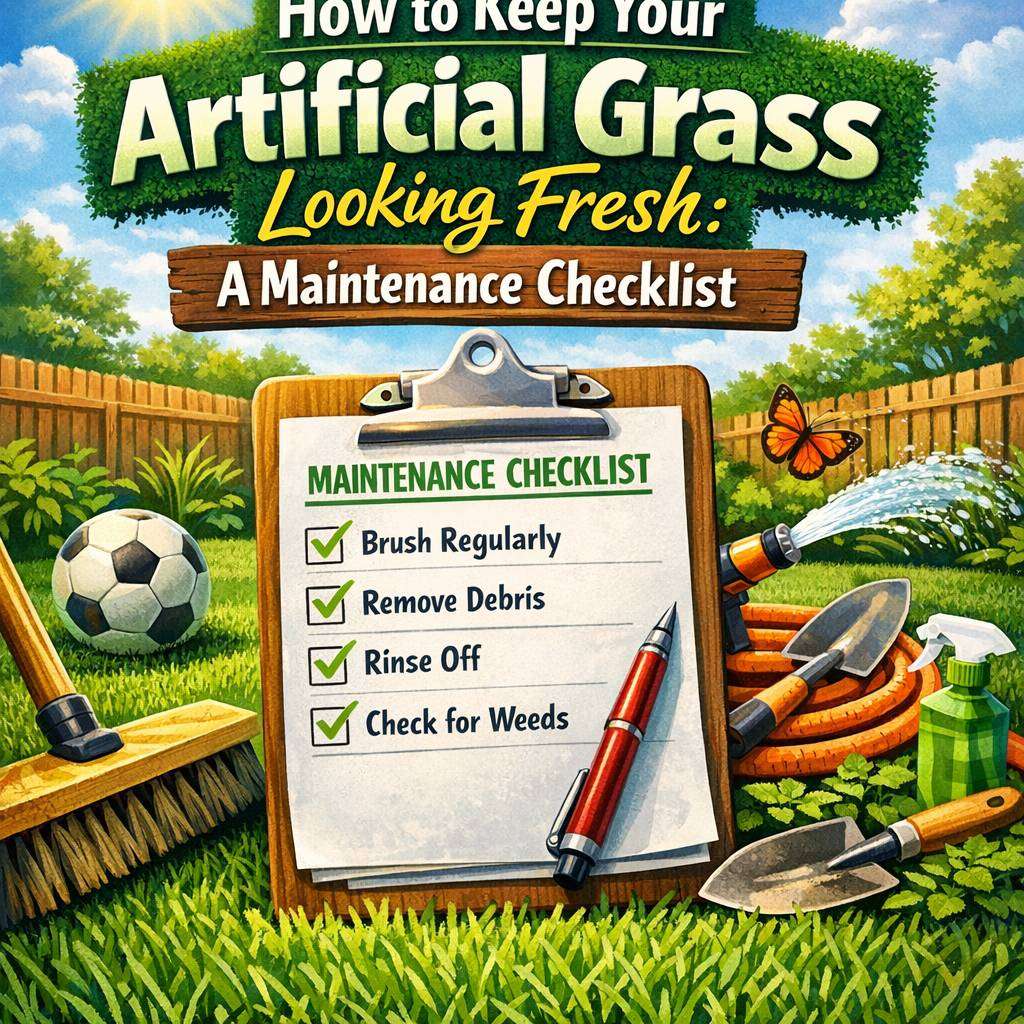
Artificial grass has become an increasingly popular choice for both residential and commercial landscaping due to its low maintenance, durability, and the pristine aesthetic it offers year-round. However, despite its reputation for being maintenance-free, artificial grass still requires a certain level of care to ensure it remains looking fresh and vibrant. Here, we provide a comprehensive maintenance checklist that covers all aspects of artificial grass maintenance.
Proper artificial grass maintenance ensures your lawn remains vibrant and durable throughout the year. Regular cleaning, brushing, and infill replacement are essential practices. For expert tips and services, visit https://www.artificialgrassmaintenance.co.uk for more information.
Regular Inspections
One of the key elements in the maintenance of artificial grass is regular inspections. These checks should be conducted at least once a month. Look for signs of wear or damage, such as:
- Displacement of the grass blades
- Debris accumulation
- Unusual discoloration
- Loose seams or edges
Early detection of these issues can prevent larger problems down the line, making routine inspections a critical part of your artificial grass maintenance package.
Cleaning Debris
Keeping your artificial grass clean is essential for maintaining its appearance and hygiene. Leaves, twigs, and dirt can accumulate on the surface and may lead to unwanted growth of mould or algae. Here are the steps to clean your artificial pitch:
- Use a stiff broom or a leaf blower to remove debris.
- For persistent stains, a hose can be used to rinse off leaves and dirt.
- In case of a more significant mess, consider using a vacuum specifically designed for artificial grass.
This regular cleaning will keep your artificial grass looking pristine and can often be done on a weekly basis, ensuring optimal condition.
Brushing the Surface
Brushing is another important aspect of artificial grass care and maintenance. Over time, the grass blades can become flattened due to foot traffic or exposure to weather conditions. Regular brushing helps to:
- Lift and straighten the grass blades
- Disperse infill material evenly
- Maintain a natural appearance
Use a brush with synthetic bristles and avoid using metal rakes or harsh scrubbers, as these can cause damage. Brushing your artificial grass once a month should suffice, though areas with heavy foot traffic may require more frequent attention.
Managing Infill Material
Infill material plays a vital role in supporting the blades and maintaining their upright position. Over time, infill can become compacted or migrate, especially in high-traffic areas. To manage this effectively:
- Check the depth of the infill periodically, and ensure it’s evenly distributed across the artificial pitch.
- If you notice a deficiency, top up the infill to the recommended levels using a compatible infill material.
Stable and well-distributed infill is crucial for the longevity and performance of your artificial grass.
Addressing Stains and Spillages
Artificial grass is relatively resistant to stains; however, it’s not completely immune. If you experience spillages from food, drink, or other substances, it’s best to address these immediately:
- Blot the stain with a clean cloth to absorb as much liquid as possible.
- Rinse the area with water and, if necessary, use a mild detergent. Ensure you rinse thoroughly to remove any soap residue.
For tougher stains, consider consulting with professionals who offer artificial grass maintenance in the UK to assess the best cleaning solutions.
Weed Control
While artificial grass significantly reduces the likelihood of weeds, they can still occasionally emerge. Employing preventative measures is crucial:
- Regularly check for any weeds that may sprout through the seams or edges.
- Consider applying a non-toxic weed killer or installing a weed barrier to further prevent their growth.
Routine checks should help ensure your artificial grass remains weed-free, thereby enhancing its overall look.
Seasonal Maintenance
Throughout the year, seasonal changes can affect your artificial grass’s condition. In preparation for winter, consider the following measures:
- Clear away leaves and debris more frequently as they tend to collect in colder months.
- Ensure that any snow or ice is removed promptly, using a plastic shovel to prevent damage.
- During warmer months, ensure your artificial grass is hydrated, especially in achieving a cooler surface.
Adjusting your maintenance regime according to the seasons can significantly help in keeping your artificial grass looking fresh and well-maintained.
All-Weather Maintenance
Artificial grass is designed to withstand various weather conditions, but persistent issues such as drainage necessitate attention. After heavy rainfall, check for pooling water and ensure the drainage systems are functioning correctly. If you notice any blockages, it’s advisable to clear these out as soon as possible to prevent damage to the grass.
Professional Assessment
If you’re unsure about any aspect of maintaining artificial grass, consulting professionals is a valuable option. Many companies in the UK offer artificial grass maintenance packages that cater to individual needs. These packages often include services like deep cleaning, repairs, and infill management—all guaranteed to keep your artificial pitch in optimal condition.
Maintaining artificial grass may seem daunting; however, with the right knowledge and tools, you can ensure it stays vibrant and functional for years to come. Regular inspections, cleaning, brushing, and addressing any emerging issues will allow you to enjoy a beautiful and enduring landscape all year round.