
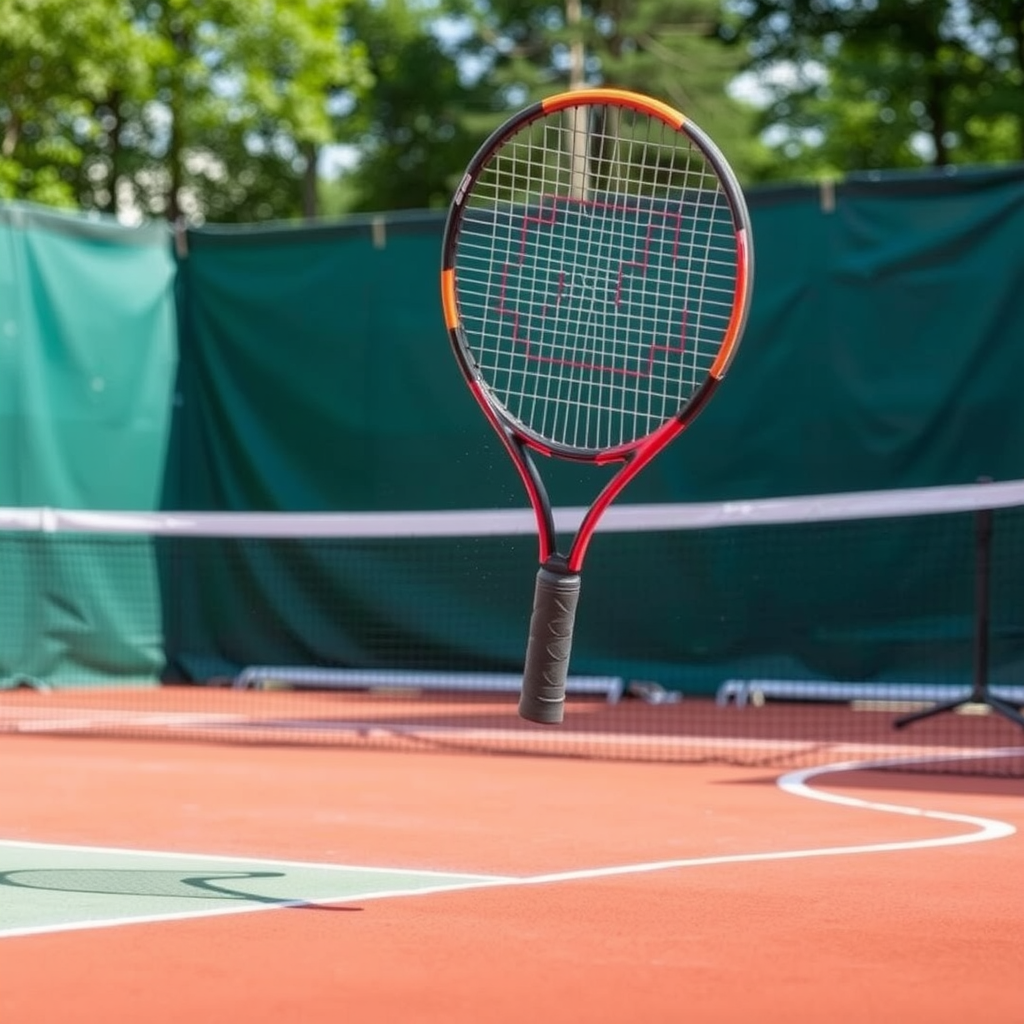
Tennis courts, whether made of natural grass or artificial surfaces, demand regular maintenance to ensure optimal playability and longevity. Just like any other part of our sports facilities, they encounter wear and tear from use and environmental conditions. Therefore, knowing when to tackle repairs yourself or when to call in a professional can greatly impact the quality of your tennis court and your playing experience.
In this guide, we will explore various aspects of tennis court repairs, maintenance, and installation. We will highlight the vital components involved in tennis court upkeep and provide insights on whether to adopt a DIY approach or hire professionals for specific tasks.
Tennis Grass Court Maintenance
Natural grass tennis courts require dedicated upkeep to stay in peak condition. Mowing is essential, with the optimal height being around 8-10mm to maintain a smooth playing surface. Furthermore, regular watering is crucial, especially during dryer months, to ensure the grass does not become patchy and dead.
As part of grass court maintenance, monitoring for pests and diseases is necessary. If you choose to handle this yourself, familiarise yourself with common turf ailments and consider investing in eco-friendly treatments. While DIY solutions can be effective, the precision and expertise required to maintain a high-quality grass court may lead some owners to prefer hiring an expert.
Tennis Court Repairs
When it comes to tennis court repairs, the potential for DIY fixes varies by the issue at hand. Minor repairs like replacing missing nets or adjusting net heights can be managed by players or court owners. However, significant damage, such as cracking in hard courts or extensive deterioration of grass surfaces, often demands professional assistance.
In addition, if you’re dealing with subsurface issues, such as drainage problems or major settling, it’s advisable to consult a qualified professional. These intricacies are pivotal in maintaining the integrity of the playing surface, and leaving them to an expert can yield better results in the long run.
Tennis Court Installation
For those considering installing a new tennis court, deciding between a DIY installation and hiring professionals is crucial. A DIY approach may appear cost-effective; however, proper tennis court installation involves meticulous attention to detail, from site grading to material selection.
Each surface type, be it clay, grass, or artificial grass tennis, comes with its own set of installation challenges and requirements. Professionals are equipped with the necessary tools and expertise to ensure your court is constructed for durability and performance.
Tennis Court Artificial Grass
Artificial grass has become an increasingly popular choice for tennis courts due to its low maintenance and year-round usability. When opting for artificial grass tennis courts, it’s crucial to follow specific installation guidelines to avoid premature wear and uneven surfaces.
While some may attempt DIY installation of artificial grass, the complexity involved—ranging from proper drainage to securing seams—necessitates skilled workmanship. Engaging professionals can save you from common pitfalls and ensure that your court meets the desired specifications.
Tennis court repairs are essential for maintaining a safe and enjoyable playing surface. Regular maintenance can prolong the lifespan of your court and enhance performance. For expert services, consider visiting artificialgrassmaintenance.co.uk, where you’ll find specialized resources and skilled professionals. Timely repairs can prevent larger issues down the line, ensuring your court remains in top condition for players of all levels and ages.
Tennis Court Cleaning
A clean tennis court is vital for both aesthetics and performance. Dirt, debris, and algae can create slippery surfaces or affect the ball’s bounce. Regular cleaning involves removing loose debris and rinsing/scoring the surface with appropriate equipment.
For those who prefer to handle their tennis court cleaning themselves, you can utilise a leaf blower or a pressure washer designed for delicate surfaces. However, for deeper cleaning methods that eliminate stubborn stains or biological growth, professional cleaning services may be more efficient and will prolong the life of your court.
Tennis Court Resurfacing
Over time, even the best-maintained courts will need resurfacing to restore their quality. Factors like weather conditions, usage frequency, and surface materials determine how often resurfacing is necessary. Some may contemplate a DIY approach; however, this process requires skill and a keen understanding of the correct materials and techniques.
Resurfacing involves applying a new layer of material to your court, which can vary considerably depending on the surface type. If you are considering resurfacing, consulting with professionals ensures that the correct application techniques are used, maintaining the court’s playability and safety.
In contrast, if you are inclined to attempt resurfacing yourself, ensure you thoroughly research the best practices for the specific court type and invest in the required tools to complete the task correctly.
Throughout the lifetime of a tennis court, various repairs and maintenance tasks will arise. By recognising when to handle repairs yourself and when it is best to seek professional assistance, you can guarantee your court remains in prime condition for players to enjoy. Balancing DIY resolve with professional expertise is key in achieving the best results, ultimately leading to a superb tennis-playing experience.