
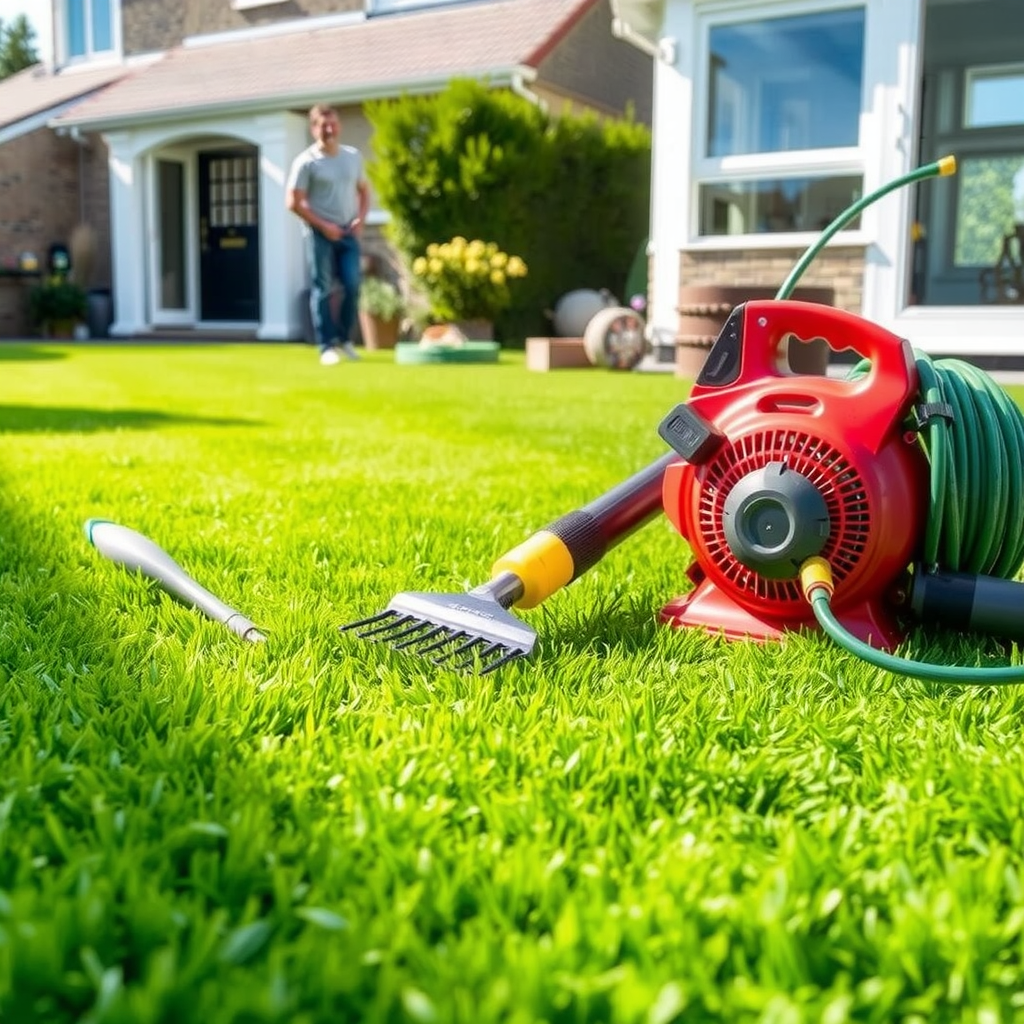
Artificial grass is an increasingly popular choice for homeowners and commercial properties alike, providing a vibrant, lush appearance without the extensive upkeep of natural grass. However, to ensure your artificial lawn retains its appeal and functionality over the years, it’s crucial to understand the proper techniques for maintenance of artificial grass. In this comprehensive guide, we will delve into effective strategies for keeping your synthetic turf in top shape, including insights on artificial grass maintenance packages, care, and services.
Understanding Artificial Grass
Artificial grass, often referred to as synthetic turf, is composed of fibres designed to mimic the look and feel of natural grass. While it offers numerous benefits such as durability and low maintenance, it does require some level of care to keep it looking pristine. Factors such as foot traffic, environmental elements, and debris can impact the longevity and appearance of your artificial lawn. Thus, implementing a regular artificial grass maintenance routine is essential.
Effective artificial grass maintenance ensures longevity and pristine appearance for your lawn. Regular cleaning, infill top-ups, and repairs enhance its durability. For expert guidance and services, visit https://www.artificialgrassmaintenance.co.uk to keep your artificial grass pristine.
Routine Cleaning Practices
One of the cornerstones of maintaining artificial grass is regular cleaning. Here are several essential practices to consider:
Debris Removal: Start by regularly removing leaves, dirt, and other debris from the surface of your artificial turf. A simple broom or a leaf blower can effectively clear away these materials, preventing them from accumulating and causing potential drainage issues.
Rinsing: Occasionally, rinsing your artificial grass with water can help remove dust and allergens that may settle on the surface. This is particularly beneficial during periods of dry weather or after high pollen counts.
Weed Control: While artificial grass is designed to minimise weed growth, it isn’t completely immune. To prevent weeds from sprouting, regularly inspect your lawn for any signs of growth and remove them promptly. Weeding gels or sprays can also be applied if needed, but always opt for products that are safe for synthetic turf.
Stain Removal: Accidents may happen, and it’s essential to act fast when dealing with stains. For spills, blot the area immediately with a clean cloth, then rinse with mild soap and water. Avoid harsh chemicals that can damage the fibres.
FAQ: Artificial Grass Maintenance
What is artificial grass maintenance?
Artificial grass maintenance refers to the tasks and practices required to keep synthetic turf in good condition, ensuring its longevity, appearance, and functionality. This includes cleaning, brushing, infill management, and periodic inspections.
How often should I perform maintenance on my artificial grass?
Maintenance frequency can vary based on usage and environmental factors. Generally, a light cleaning every few weeks and thorough seasonal maintenance should be sufficient. High-traffic areas may require more frequent attention.
What tools do I need for maintaining artificial grass?
Essential tools for maintaining artificial grass include a stiff-bristled broom or brush for grooming the fibers, a leaf blower or rake for debris removal, a hose or spray nozzle for rinsing off dirt and spills, and gloves if you’re handling debris or chemicals.
Can I use chemicals to clean my artificial lawn?
Most common household cleaners are safe to use on artificial grass in moderation. However, avoid harsh chemicals like bleach or solvents that could damage the fibers. Always check with your turf manufacturer’s guidelines for specific recommendations.
How do I remove stains from artificial grass?
For general stains such as food or spilled drinks: rinse with water first; then mix mild soap with water to gently scrub the area using a soft cloth. For pet urine stains odour removal might require enzymatic cleaners specifically designed for such use.
Is it necessary to replace infill in my synthetic turf?
Infill helps stabilise the blades of turf while providing cushioning underfoot. Over time it may become compacted or depleted; regular inspection will help you determine if refilling is necessary (typically every 1–5 years).
Will rain affect my artificial grasses’ condition?
Rainwater typically won’t harm your synthetic turf; however excessive pooling must be drained properly as stagnant water can lead to weed growth over time.Precautionary measures during heavy storms can ensure proper drainage systems remain unaffected.
Can weeds grow through artificial grass?
While weeds generally struggle to grow through properly installed synthetic turf due its impermeable surface layer & backing material some small weeds might sprout around seams/edges—these can easily be pulled by hand before they establish roots.
By following these basic guidelines about artificial grass maintenance, you’ll enhance both its durability & visual appeal! If you have more specific questions feel free reach out anytime!
Comprehensive Maintenance Techniques
For optimal longevity, investing in a proper maintenance of artificial grass routine is beneficial. Consider the following techniques:
Brushing: Brushing your artificial grass at least once a month will help maintain the upright position of the fibres, making them appear more lifelike. Use a stiff bristle broom or a mechanical brush specifically designed for artificial grass. Brush against the grain for effective results.
Infill Maintenance: Infill materials, such as sand or rubber granules, play an essential role in supporting the blades and providing cushioning. Over time, the infill may settle or wash away, so it’s vital to check levels regularly and top them up as needed. This will not only preserve the structure of your turf but also aid in drainage.
Professional Services: For those who prefer a hands-off approach or require a more thorough clean, an artificial grass maintenance service may be worth considering. These professionals can provide an artificial grass maintenance package tailored to your needs. This may include deep cleaning, infill replenishment, and comprehensive inspections to ensure everything is in optimal condition.
Seasonal Care Adjustments
Different seasons can have varying impacts on your artificial turf. Customising your maintenance routine according to the time of year can enhance the longevity of your lawn:
Spring: With new growth in nature, spring is the perfect time to perform a thorough clean-up. Remove any debris accumulated over the winter months and inspect the turf for any damage or wear.
Summer: During the warmer months, artificial grass can absorb heat. Make it a habit to rinse your turf more frequently to keep it cool and comfortable for barefoot activities. Also, watch out for excessive foot traffic, which may necessitate additional brushing to prevent matting.
Autumn: As leaves start to fall, increase your debris removal efforts to avoid organic material blocking drainage. Additionally, consider using a leaf blower to efficiently clear your turf without the risk of damaging the blades.
Winter: In areas that experience frost or snow, be cautious when clearing ice. Use a plastic shovel to prevent the risk of rupturing the fibres. If snow accumulates, allow it to melt naturally without forcing it off, as this will protect the structure of your lawn.
By following these expert tips on artificial grass care and maintenance, you can keep your synthetic lawn looking fresh and inviting for years to come. Regular care not only enhances the visual appeal of your turf but also prolongs its life, providing a beautiful outdoor space for family and friends to enjoy.